
How to Choose the Right Power Bank for Your Devices?
Making the right power bank choice is essential for charging devices anywhere. Dead batteries are avoided whether traveling, working, or in an emergency with a dependable power bank. It’s important to understand what makes one model superior in the face of so many options. Durability, safety features, charging speed, battery capacity, and device compatibility all play a role in making the right choice. This guide explains these important factors to assist you in making an informed decision. By the end, you’ll understand how to pick a trustworthy power bank that meets your requirements.
What to Consider Before Buying a Power Bank
Battery Capacity: How Much Do You Need?
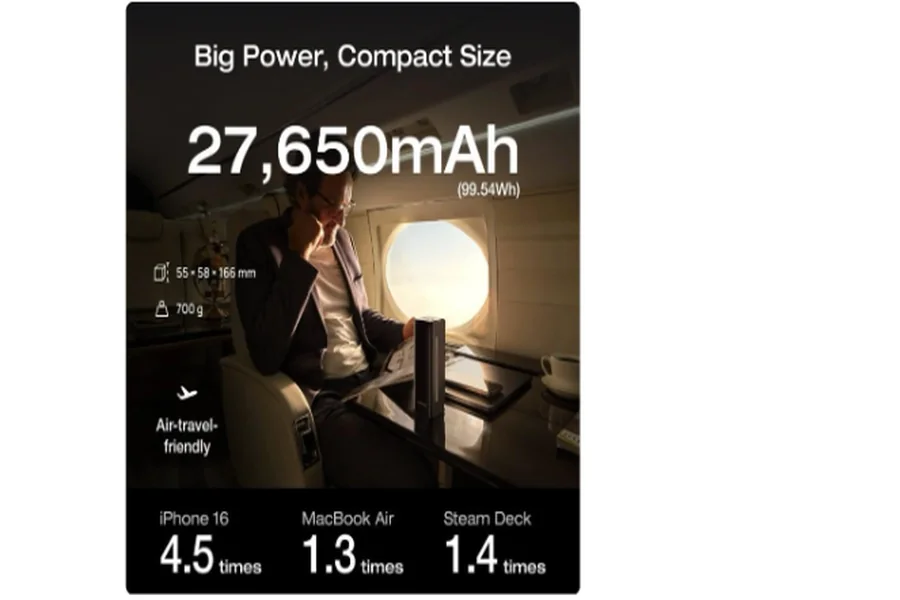
The number of times you can recharge your gadgets is determined by their battery capacity, which is measured in milliamp-hours (mAh). A 10,000 mAh power bank can charge a common smartphone two to three times. A model with 20,000 mAh or more capacity is great for tablets, laptops, or long excursions without access to power outlets. Keep in mind that not all of the indicated capacity is usable due to energy loss during the charging process. Choosing the appropriate capacity guarantees that you do not run out of power when you use it the most. Consider your daily activities, the number of gadgets you own, and how long you spend away from charging stations.
Device Compatibility: Matching Power Bank to Your Devices
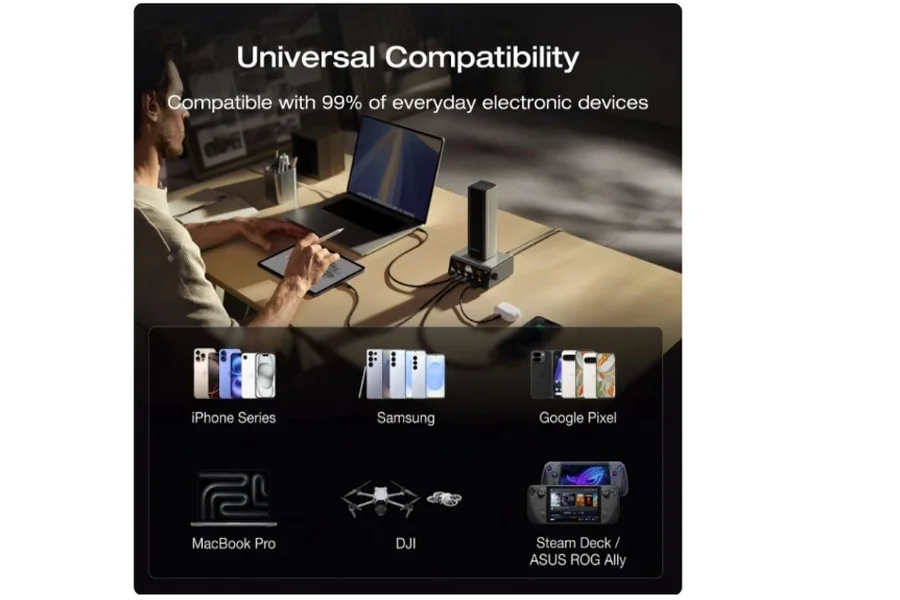
Before purchasing, make sure the power bank meets your device’s charging demands. Check the accessible ports, which may include USB-C, USB-A, or Lightning. Newer devices generally operate better with USB-C Power Delivery; however, older ones may require USB-A. Some variants include wireless charging, which is beneficial for phones that enable it. If you need to charge many devices at once, consider a power bank with multiple output ports. A model with built-in cables can help you avoid lugging extra cords. Matching compatibility prevents delayed charging, lost time, and aggravation, ensuring that your power bank functions properly with all of your electrical gadgets.
Charging Speed and Output Power: What’s Best for Your Needs?
Charging speed is crucial if you frequently charge your electronics on the fly. A decent power bank should have an output of at least 18W for quick smartphone charging. Tablets and certain laptops may require 30W or more to charge properly. Look for fast-charging features such as Quick Charge or Power Delivery to lessen wait times. Many output ports should provide constant power while charging many devices at once. Wireless charging is handy, but slower than cable connections. Choosing the appropriate output ensures that your devices recharge fast and safely, allowing you to stay connected and charged up throughout your busy day without interruption.
How to Ensure Power Bank Safety and Durability?
Quality of Battery Cells: Li-ion vs. Li-polymer
Power banks employ lithium-ion or lithium-polymer batteries. Lithium-ion batteries are widespread, inexpensive, and dependable, making them popular among regular users. Lithium-polymer batteries are lighter, thinner, and more resistant to stress, but they are more expensive. Quality batteries maintain their charge better, last longer, and lower the danger of swelling or overheating. Cheap, low-quality batteries sometimes make inflated capacity promises and might fail after a few months of usage. Choosing a renowned brand with established battery technology provides consistent performance and a long service life. Investing in high-quality cells ensures that your power bank charges safely and efficiently every time.
Overcharging Protection and Safety Features
A dependable power bank must have built-in safety mechanisms to safeguard both itself and your gadgets. Overcharging protection prevents the device from continuing to charge your phone or tablet after it has reached full capacity, reducing overheating and battery damage. Short-circuit prevention, temperature management, and surge protection are all necessary. These characteristics lower the danger of fires, electric shocks, and gadget failures. A power bank with sophisticated power management provides reliable and secure charging, extending the life of your devices. Before purchasing a gadget, look for safety certifications or reliable reviews to ensure it meets stringent quality and protection criteria.
Durability: Is the Power Bank Built to Last?
Durability is important whether you use your power bank on a daily basis or for outdoor activities. A sturdy housing protects against drops, dust, and unexpected spills. Travel-oriented models frequently have durable, water-resistant, or shockproof housings to handle severe environments. High-quality design guarantees that ports stay secure even after repeated usage, avoiding weak connections. LED indicators and strong buttons provide convenience without sacrificing build quality. A durable power bank reduces the chances of early wear and tear, making it a cost-effective investment. Choosing a well-built model ensures it survives regular handling and keeps performing reliably long after your initial purchase.
Conclusion
A power bank’s capacity, compatibility, speed, safety, and durability must all be balanced while choosing one. A bigger capacity is ideal for travelers or numerous devices, while a smaller size is better suited for brief everyday use. To avoid delayed or unsuccessful charges, make sure your power bank complies with the charging requirements of your device. You and your devices are protected by safety safeguards, and long-term dependability is guaranteed by a robust construction. You may save annoyance later by taking a few minutes to investigate parameters. With the correct selection, you’ll always have a reliable power source available to keep your laptop, tablet, or phone charged and ready.