
How to Start a Freeze Dried Food Business with Wholesale Partners
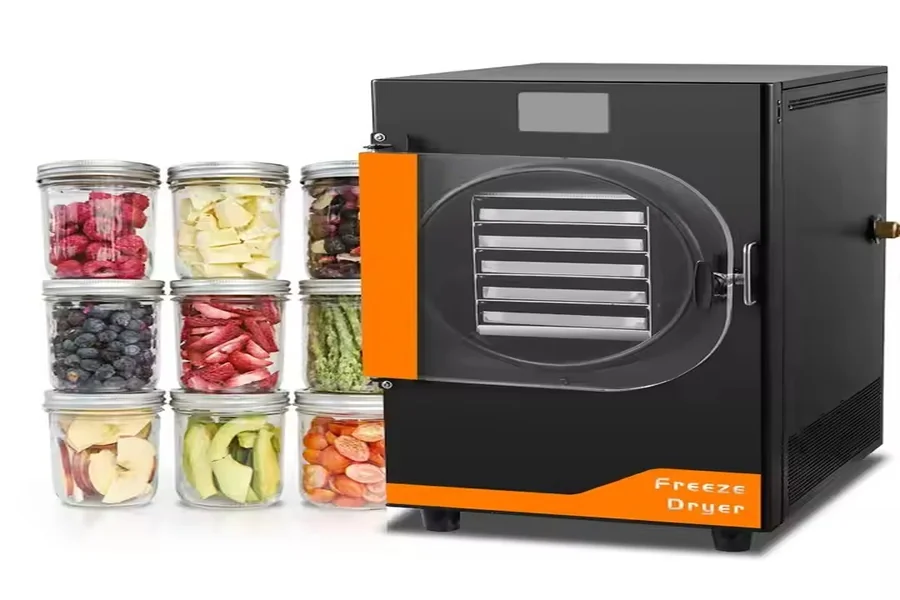
From specialty to mainstream, freeze-dried foods have become sought after by health-conscious consumers looking for convenience and extended shelf life. The freeze-dried sector is expanding, from fruit snacks and smoothie powders to pet delicacies and survival kits; This year would be a perfect year to join. Beginning a company in this area doesn’t call for heavy infrastructure or costly equipment anymore. Working with freeze dried wholesale vendors lets businesses launch swiftly, test products affordably, and scale intelligently.
Before launching a brand, you must absolutely identify your target market and product priorities. Normally targeted at a certain demographic, such as organic fruit snacks for youngsters, keto meal kits for hikers, or functional mushrooms for wellness enthusiasts, successful brands usually have a specific target. Having your attention concentrated dramatically improves the next processes: branding, sourcing, and distribution. Whether it’s single-ingredient fruits or intricate herb and superfood blends, you will also discover it simpler to connect with suppliers already producing the kinds of items you want to market.
Many firms start by privatizing or white-labeling freeze-dried products. Without having to spend on manufacturing gear, this model lets you buy goods wholesale, add your own branding and packaging, and rapidly launch them to market. Additionally, it offers you the freedom to evaluate demand before committing to customized formulations or copacking agreements. Many vendors will even assist with labeling, certifications, and legal compliance, therefore streamlining the process from concept to launch.
Finding and collaborating with suitable wholesale partners
Maintaining quality and remaining competitive depends on finding the appropriate wholesale ally. Some providers specialize in organic goods, others in pet treats, while others focus solely on emergency preparedness meals; not all are identical. A strong partner will be open about ingredient sourcing, production methods, and fulfillment capacity, and fit your business values.
Ask explicit questions about lead times, minimum order volumes, and customization possibilities while assessing possible partners. Some suppliers provide startups with flexible minimum order quantities and will permit modest first orders. Before ordering more, some give product samples for taste, texture, and packaging testing. Particularly if your target audience demands USDA Organic, non-GMO, kosher, or allergen-free standards, make sure your supplier provides the relevant certifications.
After selecting a provider, spend time creating a professional connection. Clear communication regarding product expectations, delivery dates, and packaging requirements helps to prevent mistakes and delays. Along with tracking updates, a dependable supplier will make sure that every batch is consistent. Especially if you want to present seasonal goods or broaden your inventory, this connection becomes even more priceless as your company expands.
Brand, Packaging, and Market Introduction Approach
Your branding will establish consumer perceptions of your product. Your brand design, product messaging, and packaging should specifically address that audience, whether you are marketing to families, athletes, or wellness seekers. Visually clean, instructive packaging with nutritional information and instructions for use builds trust. Working with a food labeling consultant or packaging designer can help you to be compliant with FDA rules and retail-ready in many cases.
Depending on your company model, distribution methods differ. Some new companies start by selling directly to customers via e-commerce sites like Shopify or Etsy. Others seek wholesale sales through sites like Faire or RangeMe or present straight to neighborhood grocers, health stores, or pet stores. Testing product-market fit and developing early consumers also benefit greatly from farmers’ markets and pop-up events.
Conclusion
Scaling your freeze-dried food company once you have established product-market fit is all about improving processes and broadening reach. To guarantee they can handle greater volumes and investigate solutions for more sophisticated packaging or unique recipes, work closely with your wholesale partner. You could also think about expanding your product line with tea, trail mixes, or functional supplements utilizing the same freeze-dried foundation ingredients.
As customers give shelf stability, portability, and clean components top priority, the freeze-dried market is expected to keep expanding. Your firm can grow sustainably and successfully in this booming sector by developing solid wholesale relationships, concentrating on quality, and staying close to your specialty.