
How Professional Installers Handle Seasonal Variations in Solar Output
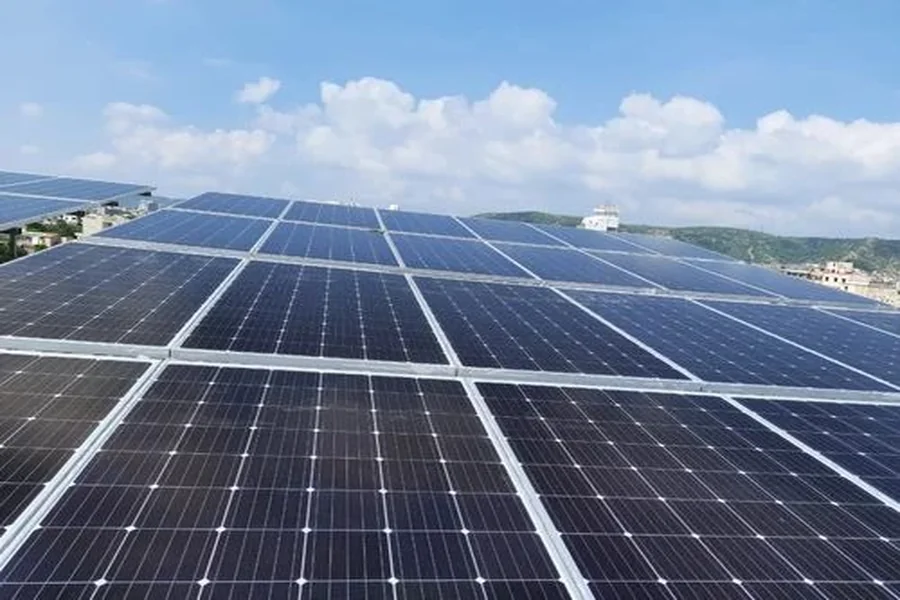
Seasonal changes present a unique challenge to solar energy systems because sunlight intensity and duration fluctuate throughout the year. These natural variations can impact the amount of power a solar installation produces on a daily and monthly basis. When planning and installing solar panels, professionals must account for these changes to maintain consistent performance and maximize energy generation. They apply careful analysis and employ practical solutions that optimize system efficiency regardless of the season. We will explore the tactics employed by professional solar installers to mitigate seasonal fluctuations in solar output and maintain consistent energy production throughout the year.
Strategies for Managing Seasonal Variations in Solar Energy Production
-
Optimal Panel Orientation and Tilt Adjustment
Seasonal differences in the sun’s position affect how much sunlight solar panels receive. During summer, the sun is higher in the sky, while in winter, it stays lower. Installers carefully calculate the ideal fixed tilt angle for panels to maximize yearly energy capture, often favoring angles that balance output between summer and winter. In some installations, adjustable mounts are used, allowing homeowners to manually adjust the panel, which can be tilted a few times per year to better align with the sun’s position. This adjustment can increase winter production when sunlight is weaker and less direct. By orienting panels properly, installers help reduce the impact of seasonal variation and increase overall system efficiency.
-
Using High-Quality Solar Components
Not all solar panels perform equally under varying light conditions. Certain solar technologies are better suited to handle low-light or diffuse sunlight than others. Professional installers in Tracy, CA recommend components known for their consistent performance in diverse weather conditions, including cloudy or shorter daylight periods common in the fall and winter months. Choosing panels with good low-light sensitivity ensures that the system continues generating usable electricity even when sunlight is not at its peak. Inverter quality also plays a role, as inverters convert DC power to usable AC power and can influence overall efficiency during variable conditions. High-quality components make the solar system more adaptable to seasonal shifts.
-
Energy Storage Integration
Energy storage solutions, such as batteries, can offset seasonal dips in solar output. Professional installers often advise integrating storage systems that save excess energy produced during sunnier periods for use when production falls. This approach smooths out the fluctuations caused by seasonal changes, providing a reliable power supply year-round. Storage systems are sized and configured based on projected seasonal variations, local weather patterns, and household energy needs. By incorporating batteries, installers create solar systems that can better match supply with demand, ensuring energy availability even during months with reduced sunlight.
-
System Sizing and Load Management
Designing a solar installation with the right size is critical for handling seasonal output differences. Installers analyze historical sunlight data and energy consumption patterns to size the system so it can meet needs during lower production months without excessive oversizing for peak summer months. In some cases, load management techniques are employed, where high-energy appliances are scheduled to operate when solar output is higher. Smart home energy management systems can help shift consumption to daylight hours or periods of greater solar availability. This balancing act between production and use reduces reliance on the grid during seasons when sunlight is scarce.
-
Regular Monitoring and Maintenance
Seasonal changes also bring weather conditions such as snow, rain, or dust that can impair panel performance. Professional installers set up monitoring systems to track energy output in real-time and detect any unusual drops that may indicate shading, dirt accumulation, or damage. Maintenance routines often include cleaning panels and checking connections before and after the winter season to keep the system operating smoothly. Proactive maintenance helps maintain high efficiency and addresses any seasonal impact on performance promptly, preserving long-term reliability and energy production.
To further optimize solar energy systems during periods of reduced sunlight, professional installers often recommend integrating energy-efficient appliances that can significantly lower overall energy consumption. This approach not only maximizes the utility of solar power but also ensures that households and businesses maintain their energy needs without compromise. For those interested in exploring energy-efficient solutions that complement solar installations, Click here to discover innovative refrigeration options that align with sustainable energy practices. By adopting such measures, users can effectively manage their energy usage throughout the year, regardless of seasonal variations in solar output.
-
Incorporating Weather Forecasting and Predictive Analytics
Some solar installers utilize advanced forecasting tools and predictive analytics to anticipate seasonal variations and adjust system operation accordingly. These technologies utilize local climate data to predict solar availability days or weeks in advance, enabling system owners to plan their energy use or adjust battery charging cycles. This proactive approach helps minimize the inconvenience of seasonal output changes and improves the overall experience of solar ownership. Forecasting also supports decisions about whether additional temporary energy sources are needed during extended periods of low solar production.
Seasonal variations are a natural aspect of solar energy generation, but they do not have to be a barrier to effective use. By carefully considering panel positioning, component selection, energy storage, system sizing, maintenance, forecasting, and grid integration, professional installers create solar systems that continue to deliver value through all seasons. Their knowledge of local climate and solar characteristics enables tailored solutions that mitigate seasonal impacts and promote consistent performance.
The handling of seasonal changes in solar output is a multifaceted process that requires thoughtful planning and ongoing attention. Professional solar installers combine technical understanding with practical strategies to ensure that solar energy systems remain efficient and dependable throughout the year. By addressing seasonal variations proactively, they support sustainable energy use and help homeowners enjoy the benefits of solar power no matter the time of year.