
Why is My Bunny Shaking And What to Do to Help Them

Rabbits are known to be calm creatures and full of playful antics, but it is worrying when you observe your rabbit shaking. If you ask Why is My Bunny Shaking, many factors can cause shaking or trembling, for example, even something minor, coming from elsewhere that might be more serious, like a health problem, a simple or temporary reaction to some stress. Knowledge of the causes of rabbit shaking and what to do to help can guarantee that your furry friend stays happy and healthy.
Rabbit shaking can cause many problems. In this article, we will review 10 vital causes and suggest ways to cure them to keep your pet in the best shape.
Shaking in rabbits can mean several things. The causes may be either small or indicate a bigger problem beneath the surface that needs to be addressed immediately. As a rabbit owner, it is crucial to know the signs of distress in the pet and how to curb the shaking. Whether you’re dealing with exercise, emotional states, or even a disease, understanding the cause will help you take care of your bunny.
Your Rabbit is Out of Breath from Exercising
Rabbits are generally very active animals, and they enjoy running, jumping, and exploring the world around them. Why is My Bunny Shaking? If the rabbit has been playing or exercising for a long time, it may shake, which can be a result of exhaustion. Shaking after physical activity is normal, particularly if the bunny has been running around the place, climbing, or hopping around for a long time.
To help your rabbit recover, offer quiet resting conditions, such as fresh water and a resting area. Bear in mind that some shaking might be a sign of overexertion, so be sure to provide your rabbit with regular breaks and limit the exercise, especially during warmer periods.

Your Rabbit is a Little Hot
Rabbits are highly sensitive to temperature changes and can easily get overheated. Exposure to high temperatures and a warm environment may cause heat-induced shaking. Rabbits do not sweat the way humans do, so they are more at risk of heat stroke than humans.
To support your rabbit, relocate it to a cooler location, if possible, with access to a fan or air conditioning. Provide lots of water and use cool and damp towels to bring down its body temperature. It’s important to watch your rabbit closely in the warmer months, as heat stress could be life-threatening.
Your Rabbit is Trembling from Emotion
Rabbits are also known to have emotions, which can lead to physical reactions just like human beings. Tremors because of fear, anxiety, or excitement are normal in rabbits. Trembling could mean your rabbit is scared of something unfamiliar, like loud noises, strangers, or animals.
To aid your rabbit, try to diagnose the source of its stress and eliminate it if possible. Provide a safe and quiet place for your rabbit to calm down. Comforting and reassuring handling can also relieve emotional shaking.
Your Rabbit Has Hiccups
If you are wondering Why is My Bunny Shaking? like humans, rabbits can also experience hiccups, which may make them tremble or twitch for a little while. Rabbit hiccups are most often caused by eating too fast or swallowing too much air while eating or drinking. Although the hiccups are not dangerous and long-lasting, frequent bouts may point to a digestive problem.
To benefit your rabbit, ensure that it eats slowly and is in a relaxed environment. Do not give too many treats at the same time, and ensure that your rabbit is eating a balanced diet. If hiccups are lasting or if one can feel the adversity, appeal to a veterinarian.
Your Rabbit is Twitching in Their Sleep
Rabbits, like many other animals, show twitching in REM (Rapid Eye Movement) sleep. This is normal, and in most cases, it is connected with dreaming. As with the human body, rabbits might twitch or shake during deep phases of sleep. The twitching may be a result of the rabbit ignoring its dreams, be they related to running, hopping, or other activities.
However, if the shaking does not continue even after the rabbit wakes up, there is no need to worry. Don’t force your bunny to rest and heal; allow it to happen naturally. One should bear in mind that not all shaking is an indication of illness or distress.
Your Rabbit Has Ear Mites or an Ear Infection
Ear mites or ear infections in rabbits can cause discomfort and pain, which can lead to shaking or twitching. Other typical symptoms of rabbits with ear infections include head tilting, pawing at their ears, and ear discharge. Shaking may occur while the rabbit tries to relieve its ears.
If you suspect an ear infection or mites, take your rabbit to a vet. The vet may prescribe antibiotics, along with ear drops or medications to treat the infection or parasites. Early discovery of the problem can avoid more severe complications, and your rabbit will feel comfortable.
Food Poisoning Can Cause Shaking
Food poisoning caused by eating something toxic may lead to shaking, in addition to such other signs of the condition as vomiting (rare in rabbits), lethargy, or diarrhea. B rabbits are very sensitive to some foods, which can pose no danger to other animals or human beings, yet can be lethal to a rabbit. Some of them include certain vegetables, plants, or sugary foods.
If you suspect that your rabbit has eaten something harmful, contact a vet as soon as possible. The window of opportunity in cases of food poisoning is very small, and the vet will be able to administer the necessary response.
Your Rabbit May Have a Neurological Condition
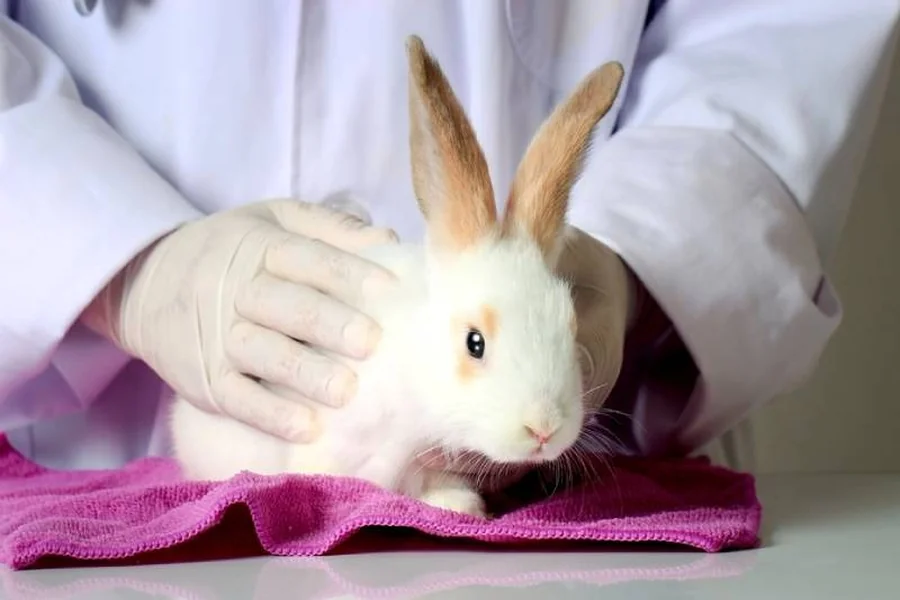
Why is My Bunny Shaking? a condition causing shaking may sometimes occur in rabbits due to neurological issues. Conditions like head tilt, brain infections, or spinal injuries may lead to trembling, disorientation and so on. If your rabbit appears weak or unbalanced or has difficulty moving, it might suffer from a neurological problem.
If you notice signs of neurological distress, you must take your rabbit to a veterinarian for diagnosis and treatment. Some neurological disorders are treatable and some may only need long-term treatment to ensure your rabbit has a better quality of life.
Also Read: How Big is a Rabbit? Smallest and Largest Breeds
Your Rabbit Had a Seizure
A seizure may lead to jolting or twitching in rabbits. Underlying health conditions responsible for seizures include poisoning, infections, or neurological problems. If your rabbit had a seizure, your bunny may lose consciousness, twitch, or shake uncontrollably.
After experiencing a seizure, put your rabbit in a safe and quiet place to prevent it from injuring itself. Then, contact a veterinarian for further examination and treatment.
Butt Twitching in Rabbits
Rabbits tend to display a butt twitch when they are in a deep concentration, i.e. grooming themselves or preparing for a hop. Although it is not harmful, if your rabbit twitches too much or it twitches with other symptoms, it may be a sign of a dysfunction of your rabbit’s digestive or nervous system.
If you observe any unusual twitching, and especially if there are other signs of illness, like lack of appetite or lethargy, it’s wise to take the rabbit to a vet.