
Indoor Rabbit Hutch: Best Cage for House Rabbits
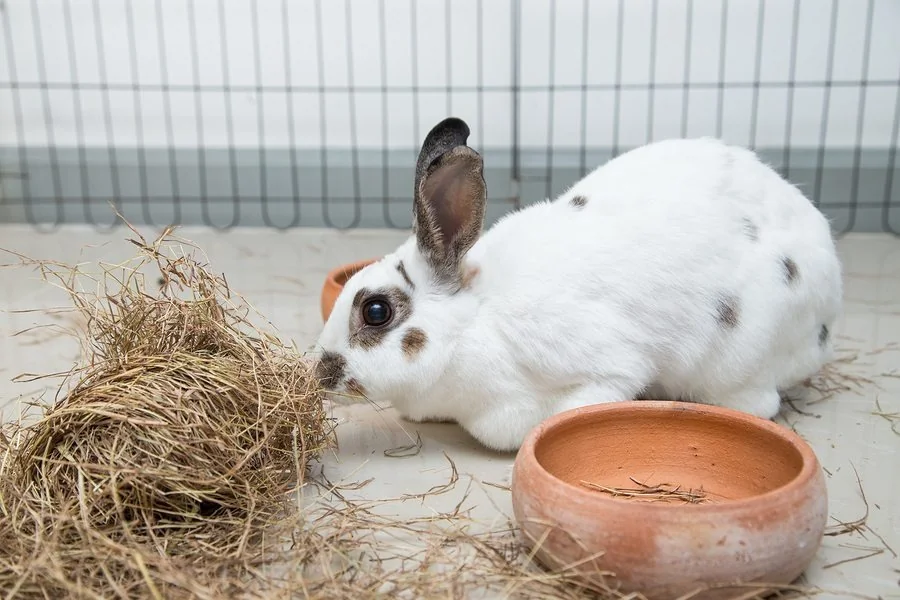
However, when considering the best enclosure for house rabbits, pet owners often automatically think of the traditional wire cages or the wooden indoor rabbit hutch. But they are usually insufficient for the manifold needs of domestic rabbits, which require space to be confined, freedom, comfort, and enrichment. The idea of a “cage” has become out of line with the ideal. Rather than that, the best housing for the indoor rabbits is a large, flexible enclosure like a pet play pen that can fulfill their natural habits and health needs. This in-depth guide explains why pet playpens are superior to traditional cages and gives one a clue on how to make the best home environment for your bunny.
A Pet Playpen Is the Best Enclosure for Rabbits

A pet playpen is the best for indoor bunnies as it provides an open and flexible environment in imitation of a more natural habitat with a secure enclosure. Through this, playpens offer rabbits the chance to hop, stretch, and play around without being confined to small, constraining spaces as would be the case with other standard cages. This openness minimizes stress and motivates exercise, which is very important for a rabbit’s physical and emotional health.
Larger
It is essential for the rabbits as they are very active animals and require space to exhibit their instincts. A bigger enclosure avoids boredom and physical ailments due to the provision of enough space for jumping, running, and playing. Many conventional cages restrict the rabbits to spaces barely enough for them to utilize their bodies, thus not allowing them to exercise and preventing them from being obese and developing behavioral problems. On the contrary, the role of playpens can cover several square feet, allowing a more dynamic and healthy lifestyle.
Cheaper
It is important to realize that the bigger the enclosures, the more expensive they seem. However, pet playpens can be more cost-effective than customized indoor rabbit hutch and expensive many-tier cages. The playpens have a modular system whereby the owner can only purchase what they need first, and increase the enclosure later. This scalability accounts for the economic nature of these units, especially if one considers the long-term health benefits of the long-term rabbit.
Easier to Clean
Cleaning frequency reflects a hygienic nature; pet playpens make this easier. Unlike the cages with the weird bars and corners, playpens are easy to get in and out of and have removable floor mats or liners. This design reduces the accumulation of waste and odor, hence not causing respiratory problems and infections in rabbits. The ease of cleaning rapidly ascertains the possibility of more frequent maintenance by providing a healthier habitat.
More Versatile
Pet playpens are accompanied by unrivalled flexibility. They can be formed into various shapes and sizes, customized to fit various room sizes, and used temporarily. They are habitable areas for rabbits or just a single pet. Their form often incorporates enrichment pieces such as tunnels, ramps, and chew toys, facilitating stimulating conditions for the rabbits’ playful attitude.
Easier to Expand and Move
One of playpens’ best benefits is their modular design, which allows owners to extend the living space as required. It’s easy to add more panels if you are raising a rabbit or getting another one. Further, playpens are also light and foldable, so relocation or repositioning is easy, which is never an easy asset to have in hugely cumbersome cages or indoor rabbit hutch.
Flooring in Rabbit Pens
The inside of the rabbits’ enclosure should have a comfortable floor to positively affect their comfort and health. Wire floors are likely to lead to painful sores and make both legs and bosom sore; hard surfaces such as tile or wood can be slippery and cold. Pictures and reviews of the best playpens describe flat and solid floors, soft materials like fleece blankets, etc. These surfaces take care of bunnies’ feet, cushioning them, softening the joints’ impact on them and providing insulation. Also, convenient materials for cleaning the floor are preferred to ensure good hygiene.
Taking the Size of the Rabbit Enclosure into Consideration
The size of the rabbit enclosure is fundamental in its selection. The space given to rabbits should enable them to hop at least three times without stopping, stand up completely on their hind legs, and stretch out in full. In most cases, this represents an enclosure that is at least four to six times the length of the rabbit. The bigger breeds and more than one rabbit will need even larger space. A confined space may hamper physical growth and cause mental agony.
Also Read: Can Rabbits See in the Dark? Rabbit Vision and Night Adaptation
What if You Already Have an Enclosure That Is Too Small?
If your current enclosure does not offer your rabbit adequate space to play, you will have to upgrade it. Moving to a playpen or establishing a safe, larger exercise area will enhance your rabbit’s quality of life. Complementing the time spent in enclosures with at least one hour of supervised playtime in rabbit-proofed places ensures the rabbit gets the exercise and mental workouts required. Continuous enrichment carried out with toys and interaction also helps neutralize negative impacts posed by a reduced space.
What if I Have More Than One Rabbit?

To avoid territorial behavior and stress, several rabbits require increased space in the enclosure when living together. Rabbits are social but need a space to withdraw and lay down boundaries. Playpens enable owners to segment the space in a single enclosure or open it horizontally for increased freedom. We also need several feeding stations and litter boxes to minimize the intercompetition and create harmony.
Other Appropriate Enclosures for Rabbits
Apart from pet playpens, owners who succeed have a large exercise pen or bodge their dogs’ indoor runs from safe materials like PVC or wooden panels. Such alternatives should always ensure their priority concerns are space, safety, ventilation, and effortless cleaning. Outdoor hutches with secure runs may be appropriate during warm weather, but indoor pens are still preferred all year round due to climate control and protection from predators.
Terminology: Enclosure Instead of Cage
Using the term enclosure instead of cage for a rabbit’s home shows the emphasis on the perception of rabbits as active and intelligent pets that need a spacious and stimulating environment. The word “cage” suggests restriction, immobility, and partial control over the rabbit’s movement; the word “enclosure” propagates a sense of the rabbit’s need for movement and seeking safety in companionship.
What About Traditional Indoor Rabbit Hutch?
Traditional indoor rabbit hutch, which are usually wooden boxes set on top of the ground and have wire mesh fronts or floors, present shortcomings for rabbits living indoors. These indoor rabbit hutch are normally small and often expose the rabbits to drafts and wire flooring. Although some modern hutches work better on these issues, they hardly come close to the flexibility, space, and ease of cleaning provided by playpens.
What are the Rabbit Enclosures That You Should Avoid?
Some enclosures can make rabbits suffer or get hurt and must be avoided.
Metal Cages
Metal cages often have wire flooring that hurts the rabbit’s feet and limits movement. Due to their small sizes and poor ventilation, they can become stressful and unhealthy places. In addition, installing metal bars can be noisy and of little comfort.
Plastic Cages
Plastic cages usually lack ventilation and space. They can also trap smells and humidity, resulting in respiratory problems. Although they are not ideal long-term housing options, plastic cages are appropriate for short-term use or travelling.
How to Provide Enough Exercise Space
Rabbits need to exercise outside their enclosure daily. By creating a secure, bunny version of an obstacle course they play with, having a dedicated area to putter about in, and leaving fun stuff to play with buried in special areas provides physical health and mental stimulation. Exercise is also useful since it prevents obesity and other behaviors, including chewing inappropriate items, aggression, etc.
What If You Don’t Have Enough Space in Your Home?
In confined places, vertical space or the formation of multilevel enclosures will work well. Rotating the play areas and allowing rabbits to roam free, where they are supervised correctly, guarantees that the animals will be active enough. Owners can also occasionally rotate toys and change the enclosures to provide environmental enrichment.
Free Roaming a Rabbit
Free roaming is one of the best ways of exercise. In this method, the rabbits are given free access to a rabbit-proof room or home space. This allows the rabbits to express their natural behaviors freely. However, comprehensive preparation is required to avoid dangers such as electrical cords, poisonous vegetation, or chewable furniture. Supervision or training contributes to safety.