
Do Bunnies Sleep With Their Eyes Open? Facts About Rabbit Eyes
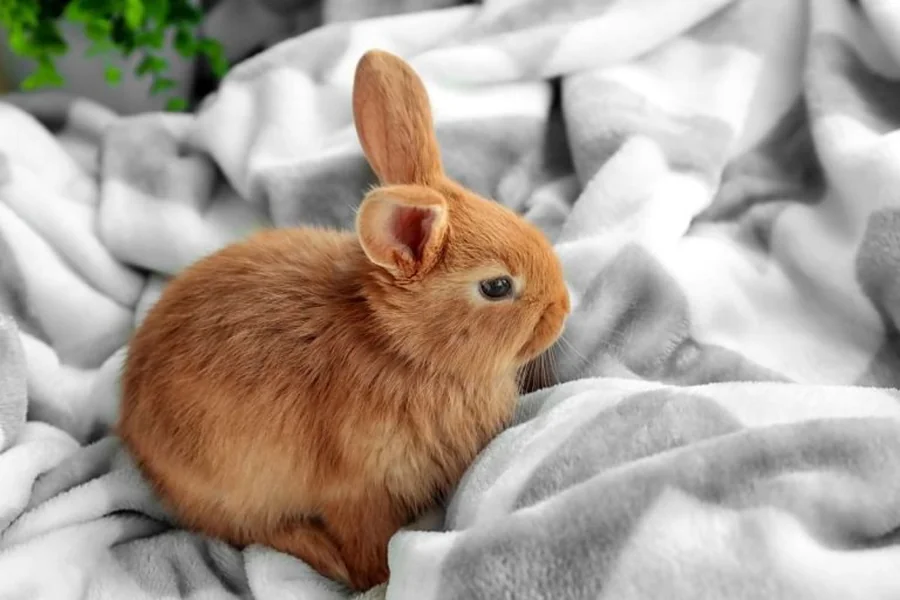
Rabbits’ eyes are amazingly designed in a way that accounts for the survival requirements of this speedy animal that is always alert. Their vision is very important in detecting the predators, exploring the surroundings and interacting with other rabbits. Cognizing the peculiarities of the rabbits’ eyesight not only adds to the collection of our knowledge about these animals, but it is also useful for the rabbit owners and lovers because it helps them learn when something might be wrong with them. This thorough article discusses do bunnies sleep with their eyes open, seven amazing facts about rabbits’ eyes and lists five common problems that every rabbit caretaker should know.
7 Awesome facts about rabbit eyes

1. Rabbits can see behind them
The wideness of the field of vision possessed by the rabbit’s eyes is one of the most surprising properties of rabbit eyes. Unlike human beings, rabbits have eyes on the sides of their heads, enabling a near 360-degree panoramic view. Such a position of rabbits helps them see enemies coming from behind without rotating their heads. Their fields of vision overlap a little in front, but have essentially been created to have maximum peripheral awareness. This adaptation is all-important for detecting predators in the wild, helping greatly in their survival.
2. Rabbits sleep with their eyes open
Contrary to most animals, rabbits have a rather unusual habit of sleeping with half or fully open eyes. This attribute enables them to be alert to sudden movements or attacks even when resting. By controlling their muscles in the lids, they can keep their body in a vigilant mode as a requirement since they are prey. This phenomenon is usually astonishing to the owners of rabbits, who believe that animals should completely close their eyes while sleeping.
3. Rabbits only blink once every 5 minutes
Another fascinating thing about rabbits’ eyes is their irregular blinking time. Rabbits blink after intervals of about five minutes, whereas human beings or other living creatures do it quite often. Their tear glands are sufficient to moisten the eyes effectively without having to blink often. This low blink rate reduces intervals between their gazes, so they can always be watchful for dangers.
4. Rabbits can’t see red
Rabbits have a distinct type of color vision from humans. Their eyes have no receptors for the red wavelength, so they cannot see the color red. Instead, they can only see many shades of green and blue. This limitation of color is caused by the nature of the cone cells in their retinas, which focus more on observing movement and contrast than differentiating colors. Although this may sound like a disadvantage, it does not reduce their capability to detect predators and navigate their environment.
5. Rabbits have grainy night vision
Although rabbits are not good at seeing in the dark, their eyes are designed with grainy night vision that can operate in low light levels. They have more rod cells in their retina than cone cells. This increases their power to detect movement and shapes in low light. The rabbits remain active even in the wee hours of dawn, dusk, and night, using this grainy night vision, though it cannot compare with human night vision.
6. Rabbits are farsighted
Rabbit vision has been optimized to sense movement far away and not concentrate on objects at close range. They are farsighted animals, in that they will look blurred when objects are close to their faces. This limitation emanates from their eye structures and their retinal positioning. Subsequently, rabbits depend entirely on their whiskers and the sense of smell to touch things around them instead of using sight alone.
7. Rabbits have trouble seeing objects in 3D
Depth perception for rabbits is problematic due to the wide placement of the eye and the small degree of overlap in the visual fields. Unlike predators with excellent 3D vision because of their forward-facing eyes, rabbits are not that well endowed with binocular vision and, therefore, have subpar depth perception. This significantly makes estimating distances difficult, particularly those near them. Nevertheless, their sense of survival and other senses compensate for this lack.
Also Read: Indoor Rabbit Hutch: Best Cage for House Rabbits
5 Health problems with rabbit eyes

1. Cataracts
Rabbits are also prone to cataracts associated with the formation of cloudiness or opacities in the eye’s lens, which can be extremely detrimental to their eyesight. This condition is age-related in many cases, but may also come from trauma or systemic diseases such as diabetes. Signs range from apparent cloudiness to behaviour changes due to blindness experienced and possible eye discomfort. Early diagnosis in veterinary medicine is important since reasoning is made on the failures of untreated cataracts to lead to blindness and a higher predisposition to injuries.
2. Weepy eyes
Rabbits often have watery or weepy eyes, which can be caused by many factors, from infectious etiology to allergic ones and from closed ducts to irritants such as dust. Skin irritation around the eyes may occur as a result of continuous tearing, which can be a sign of an even worse health condition. Owners should look out for other sources of symptoms like redness, swelling, or discharge, as these would require immediate veterinary attention.
3. Red eye
Redness in rabbits’ eyes is usually an indication of irritation, infection, or injury. Conjunctivitis (a condition whereby the conjunctiva is inflamed) is usually common and can be caused by bacteria, viruses, or environmental elements. Red eyes can lead to discomfort, excessive blinking, and sensitivity to light. Veterinary care on an immediate basis is important to diagnose the cause and commence necessary treatment to avoid deterioration.
4. Crusty eye boogers
Build-up of crusty discharge or “eye boogers” around a rabbit’s eye is a common problem. This symptom is a usual indicator of infection, the clogging of the tear ducts, or tooth problems obstructing the tear passage. The hardened discharge could irritate the skin and create discomfort for the patient if such a condition is not taken care of. Regular gentle cleaning and visiting a vet will help get rid of the root cause and ensure the hygiene of the eyes.
5. Abscesses
Abscesses around a rabbit’s eyes are swollen, pus-filled lumps near the eye caused by a bacterial infection, usually from a wound or the rabbit’s dental disease. If left untreated, such abscesses may affect the quality of vision and overall health. They demand urgent veterinary care in the form of drainage, antibiotic administration, and occasionally surgery to avoid the spread of a systemic infection and return to health.