
How Gentle Colors and Soft Seating Make Restaurants More Animal-Inclusive
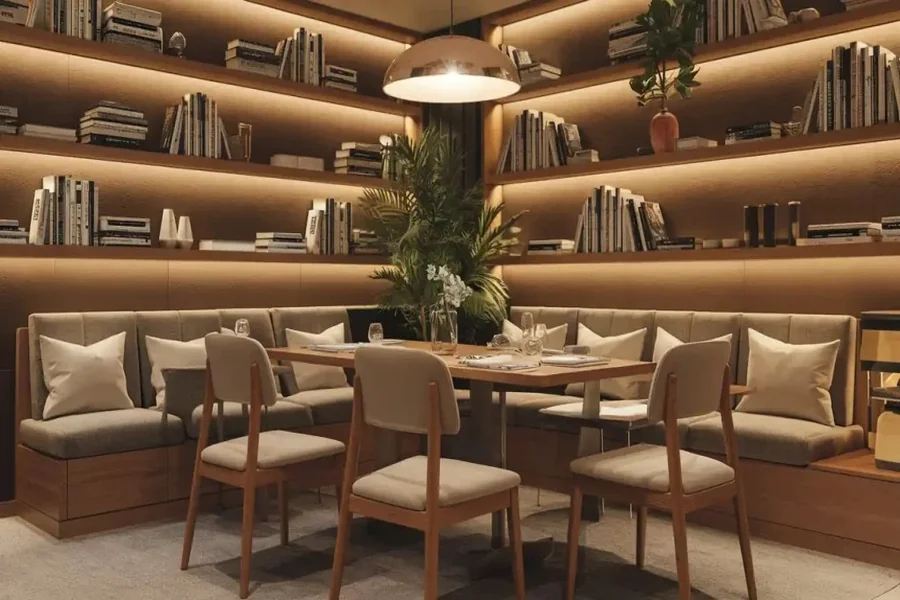
Creating a welcoming restaurant space isn’t just about impressing human guests anymore. As more people treat their pets like family, restaurants are finding new ways to accommodate four-legged companions. It’s not just about having a water bowl on standby. Today’s pet-friendly dining experience includes subtle but meaningful touches that make animals feel just as relaxed as their owners. Thoughtful choices in furniture, color, and layout are transforming dining rooms into havens of calm and comfort. These design decisions don’t just enhance the atmosphere. They open the door to new kinds of guests and more loyal customers.
Many restaurants are catching on to this trend, especially as urban pet ownership continues to rise. Including animals in design thinking isn’t a gimmick. It’s a smart and compassionate business move. When a space feels gentle and soothing to animals, their human companions are more likely to relax, linger longer, and return often. As we explore how soft seating and gentle colors play a role in this shift, it becomes clear that kindness in design benefits everyone, no matter how many legs they have.
The Psychology of Color in Animal-Inclusive Design
Soft colors on restaurant tables, chairs, and restaurant furniture in general can have a calming effect, not only on people but also on animals. Muted earth tones, pastels, and soft greens can help reduce stress in dogs and cats. On the other hand, bright, flashy hues tend to overstimulate pets and make them feel uneasy. Animals, like humans, feel more relaxed in surroundings that resemble natural spaces. Pale greens and light blues can recreate a feeling of being outdoors, helping to settle their nerves.
Designers are now using this understanding of animal perception when choosing interior color palettes. A consistent use of calming colors helps pets recognize safe zones inside the restaurant. Certain studies have shown that blue and green tones can lower stress levels in animals by as much as 20 to 30 percent. These soft tones create a backdrop that puts both pets and owners at ease.
Why Soft Seating Matters for Pets and People
The comfort of a cushioned seat speaks volumes, not only to guests but also to the animals that accompany them. Pets naturally gravitate toward padded, soft surfaces because these materials resemble their beds at home. Soft seating helps signal a safe, quiet space, something animals quickly pick up on.
When chairs and benches feature rounded edges, they pose less risk to energetic or curious pets moving through the space. Upholstered furniture made from low-VOC materials is another thoughtful choice, especially for animals sensitive to smells. Soft textures also help to absorb sound, cutting down on sharp noise that can startle pets.
Low-backed seating and cozy cushions provide a place for small dogs or older pets to settle without getting underfoot. These choices serve human comfort just as much as animal comfort, making dining a pleasant experience for all.
Designing Dining Areas That Accommodate Pets
Restaurants that welcome pets need more than just a friendly attitude; they need a layout that supports that welcome. By zoning dining areas to include soft, pet-friendly seating, owners can enjoy their meal without constantly worrying about their companion’s comfort.
Placing pet mats or padded ottomans near tables gives animals a designated space to rest. Furniture that sits low to the ground allows older or smaller pets to climb up easily or lie down beside their owners.
Wide, gently colored pathways help animals move calmly through the space, while non-slip flooring and smooth chair glides prevent sensory overload. Clear sightlines make it easier for staff and guests to monitor pets while reducing accidental bumps or surprises. Outdoor spaces that offer shade or protection from the elements add an extra layer of thoughtfulness to pet-friendly dining.
Benefits for Business: Comfort Leads to Loyalty
Adding gentle furniture and soft colors doesn’t just improve ambiance, it builds lasting customer relationships. Pet owners, especially those who travel or dine out regularly, are always searching for places that treat their animals with care. When a restaurant welcomes them thoughtfully, they’re more likely to return.
Comfort leads to longer visits, which often results in more spending. Studies show that over half of pet owners are willing to spend more per visit when their pets are welcome. On top of that, restaurants that create a warm, inclusive atmosphere often find themselves featured on social media by grateful customers.
These positive experiences help shape a strong brand identity rooted in empathy and hospitality. Loyalty is no longer just about good food. It is about how guests and their pets are made to feel.
Gentle and Durable Materials for Pet-Safe Seating
Not all seating is created equal. When designing for animals, it’s important to choose materials that can stand up to everyday use while still feeling soft and safe. Fabrics that resist stains and come in calming colors help maintain the restaurant’s appearance over time.
Faux leather and tightly woven textiles are especially useful. They’re comfortable for pets, easy to clean, and resistant to scratching. Natural fibers with soft textures bring a cozy feel and are safer for pets who may lie or lean against the furniture.
Avoiding sharp corners, cold metals, or loud materials prevents accidents and helps animals feel more secure. Some restaurants are even using antimicrobial fabrics to ensure a cleaner environment without sacrificing softness. This thoughtful blend of practicality and comfort ensures that every element of the space supports pet-friendly design.
Local and Global Examples of Animal-Inclusive Design
Around the world, more restaurants are embracing gentle design to welcome animal guests. In cities, cafés are carving out quiet pet lounges complete with soft furnishings and natural tones. Outdoor bistros and breweries are incorporating muted palettes and plush textures to create calming patio areas for dogs.
Some restaurants in resort areas have gone further, marketing themselves as relaxing retreats for both pets and owners. Pet cafés have long been known for this type of design, spaces that harmonize furniture and color with animal behavior.
These concepts are no longer limited to niche markets. Even upscale dining spots are beginning to include discreet pet nooks and designated rest areas. Locally owned restaurants are using soft design as a way to connect with their communities and create a more inclusive brand.
Final Words: A Kinder Atmosphere, One Chair at a Time
Designing for animals may seem like a small gesture, but it carries a big message. Choosing gentle colors and soft seating options does more than change how a restaurant looks; it changes how it feels. These subtle details create a space where all guests, human or animal, feel safe and welcomed.
As pet ownership continues to rise and expectations shift, restaurants that adopt these design elements are likely to build stronger, more emotional connections with their guests. A kind space invites people to return, and when their pets are just as comfortable, loyalty naturally follows.
Comfort, thoughtfulness, and quiet charm. These are the ingredients of a restaurant that welcomes everyone. In the end, a softer chair and a calmer color palette can make the biggest difference.