
A Practical Guide To Probate: Key Steps and Tips for Navigating The Process
Probate, the court-supervised process of administering a deceased person’s estate, often creates confusion and stress among families. Navigating probate requires a clear understanding of the specific legal and procedural obligations that arise after someone passes away. Whether you’re an executor, beneficiary, or simply seeking to learn more about the process, this practical overview will help you make informed decisions and avoid common missteps. If you’re handling an estate in California, consulting a CunninghamLegal real estate attorney in California can bring clarity to state-specific guidelines and reduce the risk of costly errors.
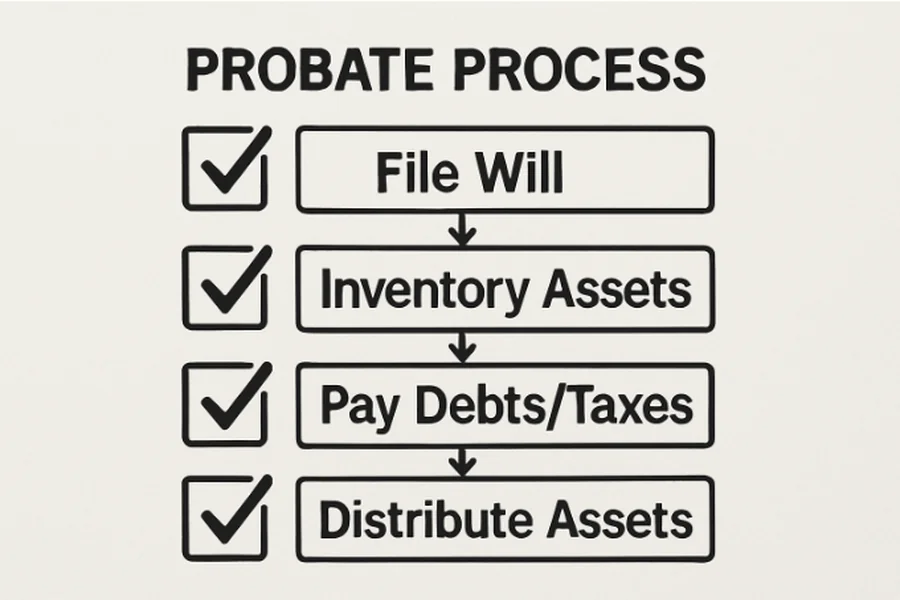
The steps outlined in this guide highlight the significant actions required in probate, from filing the will to distributing assets among heirs. Because probate can seem overwhelming at first glance, breaking down the process into manageable stages is essential. Each estate is unique, but most will require diligent paperwork, organized recordkeeping, and effective communication with heirs and creditors. Understanding the legal significance of each phase ensures that the estate is handled correctly and beneficiaries receive their intended inheritance.
Probate law is governed by state law, so it’s essential to be familiar with the rules that apply in your jurisdiction. Some assets may pass directly to beneficiaries outside of probate, such as life insurance policies or retirement accounts; however, most property will need to pass through probate if not otherwise titled. By preparing in advance and planning for potential challenges, executors and families can help minimize delays, save money, and avoid disputes along the way.
Understanding Probate
Probate is the legal procedure by which a deceased person’s will is proved valid and their estate is administered correctly. This process ensures that debts and taxes are paid and that assets are distributed to the correct beneficiaries, either according to a will or, if there is none, under state intestacy laws. Probate courts oversee every phase to safeguard the interests of heirs and creditors, reduce the risk of fraud, and provide a formal closure of the estate. Executors and personal representatives are tasked with significant responsibilities, from filing initial paperwork to distributing final bequests. If you are new to the process, the Nolo probate FAQ provides a comprehensive resource for frequently asked questions and fundamental concepts.
Initiating the Probate Process
The probate process officially begins when the executor or a family member files a petition with the appropriate court. This first step involves submitting key documents, including the death certificate and an original copy of the will. The court reviews the documentation to confirm its authenticity and appoints an executor (if a will names one) or a personal representative (if there is no will). This person assumes legal authority to act on behalf of the estate. In some states, a bond may be required to safeguard the estate’s value against potential mismanagement. Notify interested parties and beneficiaries as required by law to ensure transparency and provide an opportunity for any challenges to be raised.
Inventorying Estate Assets
After the appointment, the executor’s primary duty is to identify and document all assets the deceased owned at the time of death. This inventory includes real estate, bank accounts, stocks, personal belongings, vehicles, and other valuable assets. Proper inventory management is crucial for accurate estate valuation, effective tax reporting, and transparency. Accurate records make it easier to resolve disputes or answer questions from heirs. Executors may want to seek appraisals for complex property, such as rare collectibles or business interests, to establish a credible market value. The inventory is usually filed with the court and shared with other interested parties as part of the required disclosure process.
Settling Debts and Taxes
Before any assets can be distributed to beneficiaries, outstanding debts and tax liabilities must be resolved. The executor is responsible for notifying creditors of the probate proceedings, reviewing all claims, and paying valid debts from the estate’s funds. This step includes handling final income tax returns as well as any federal or state estate taxes that may be due. Executors should be diligent, as improper handling of debts can lead to personal liability. Consult the IRS’s Estate and Gift Taxes information page for guidance on federal requirements.
Distributing Assets to Beneficiaries
Only after debts and taxes are settled can the remaining property be transferred to beneficiaries. The executor must follow the terms of the will with strict fidelity; if there is no will, the state’s intestacy laws will direct who inherits. Clearly documenting this process and maintaining open lines of communication with beneficiaries helps avoid misunderstandings and potential disputes. If disagreements arise, alternative dispute resolution, such as mediation, can be considered before litigation becomes necessary. Distribution concludes this primary phase of estate administration, setting the stage for closure.
Closing the Estate
Once all obligations have been met and assets distributed, the executor submits a final accounting to the probate court, detailing all transactions, expenses, and distributions. After review, the court will issue an order officially closing the estate. This releases the executor from further responsibility and brings probate to an end. All steps and expenditures must be carefully documented so that the court’s final review is swift and problem-free.
Common Challenges and How to Overcome Them
- Contested Wills: Legal battles surrounding the validity of a will can delay the probate process and incur significant additional costs. Avoid disputes by ensuring all documents are correctly signed and witnessed; consider consulting with legal counsel for complex estates.
- Incomplete Asset Information: Missing records can halt progress. Thorough and proactive documentation, along with professional appraisals, are vital for success.
- Delays with Creditors: Promptly notifying and communicating with creditors can alleviate hold-ups; document all correspondence for future reference.
Tips for a Smooth Probate Process
- Stay Organized: Use checklists and calendars to track deadlines and required filings.
- Seek Professional Guidance: Engaging with a probate attorney early in the process can minimize costly oversights and clarify legal requirements.
- Communicate Clearly: Frequent and honest communication with all beneficiaries establishes trust and prevents confusion.
- Educate Yourself: Reviewing resources from major law publications can offer additional insights and practical advice.
Wrap-up
Probate need not be overwhelming when approached methodically: confirm the will, inventory assets, address debts and taxes, distribute remaining property, and file a final accounting to close the estate. Staying organized, communicating clearly with beneficiaries, and documenting every step will reduce delays and lower the risk of disputes. For complex estates or state-specific questions—especially in California—engaging experienced counsel (for example, a CunninghamLegal real estate attorney) can save time, limit personal liability, and provide peace of mind. With careful planning and professional support as needed, executors can guide an estate to a fair and orderly conclusion.