
Are Power Stations Safe? Understanding the Risks and Safety Measures
Portable power stations have become essential for camping trips, home emergencies, and outdoor work, offering clean energy without the noise and fumes of gas generators. However, as these devices grow more powerful, questions about their safety naturally arise. Stories of overheating batteries and electrical fires might make you wonder if keeping one in your home is truly safe. The truth is that while all electrical devices carry some risk, modern power stations incorporate numerous safety features when properly designed and used. In this article, we’ll examine the five most critical safety factors to consider, helping you use these convenient power sources with confidence.
1. Battery Safety: Understanding the Risks
The heart of any power station is its battery, and understanding battery technology is key to assessing safety. Most portable power stations use lithium-ion or lithium iron phosphate (LiFePO4) batteries, which differ significantly in their safety profiles. Lithium-ion batteries, while energy-dense and lightweight, can overheat if damaged or improperly charged, potentially leading to thermal runaway – a chain reaction causing smoke or fire. LiFePO4 batteries, on the other hand, are inherently more stable and less prone to overheating, though they’re slightly heavier and more expensive. Quality power stations include battery management systems (BMS) that constantly monitor cell temperature, voltage, and current to prevent dangerous situations.
2. Important Safety Certifications to Look For
Safety certifications provide assurance that a power station meets rigorous testing standards. Look for UL (Underwriters Laboratories) certification, particularly UL 2743 which specifically covers portable power stations, indicating the product has passed tests for electrical, mechanical, and fire safety. CE marking shows compliance with European safety standards, while FCC certification ensures the device won’t interfere with other electronics. For the batteries themselves, UN 38.3 certification confirms safe transportability, important if you plan to fly with your power station. These certifications aren’t just bureaucratic checkboxes – they represent hundreds of hours of testing for scenarios like overcharging, short circuits, and extreme temperatures. While uncertified models might be cheaper, they often cut corners on safety components that could prove critical in an emergency.
3. Proper Usage and Maintenance for Safety
Avoiding Overloading and Short Circuits
Understanding your power station’s limits is crucial for safe operation. Every device has a maximum wattage rating – exceeding this by connecting too many or too powerful devices can cause overheating. A good rule is to keep your total load below 80% of the maximum capacity for extended use. Be particularly careful with high-wattage appliances like space heaters or microwaves that can quickly push systems to their limits. Short circuits often occur when using damaged cords or making improper connections, so regularly inspect cables for fraying and never modify plugs. Quality power stations include overload protection that automatically shuts off when detecting dangerous conditions, but it’s better to avoid triggering these safeguards through careful planning of your power needs.
Safe Storage and Operating Temperatures
Where and how you store your power station significantly impacts its longevity and safety. Lithium batteries degrade fastest when stored at full charge in hot environments – ideal storage is around 50% charge in a cool (15-25°C/59-77°F), dry place away from direct sunlight. Avoid leaving units in cars during summer when temperatures can soar beyond safe operating ranges (typically 0-40°C/32-104°F for charging, -10-45°C/14-113°F for discharging). If you notice your power station getting unusually warm during use, give it a break to cool down. In cold weather, battery efficiency drops temporarily – it’s normal to see reduced capacity until the unit warms up.
4. Built-in Safety Features of Quality Power Stations
Overcharge/Over-discharge Protection
Quality power stations include multiple layers of protection against the two most common battery stressors: overcharging and deep discharging. Overcharge protection prevents the dangerous buildup of heat that occurs when charging continues after reaching full capacity, while over-discharge protection stops operation before battery voltage drops too low, which can permanently damage cells. These systems work alongside the battery management system to monitor each cell individually, balancing charge across the pack for uniform performance.
Surge Protection and Automatic Shut-off
Power surges – sudden spikes in voltage – can damage both your power station and connected devices. Quality units include surge protection that absorbs these spikes, especially important when charging from unreliable power sources like generators or solar panels in variable weather. Automatic shut-off features activate when detecting abnormal conditions like short circuits, overheating, or reverse polarity (incorrect cable connections). Some models add visual or auditory alarms to alert users to problems before shutdown occurs.
5. Comparing Safety of Different Power Station Types
Portable vs. Home Backup Units
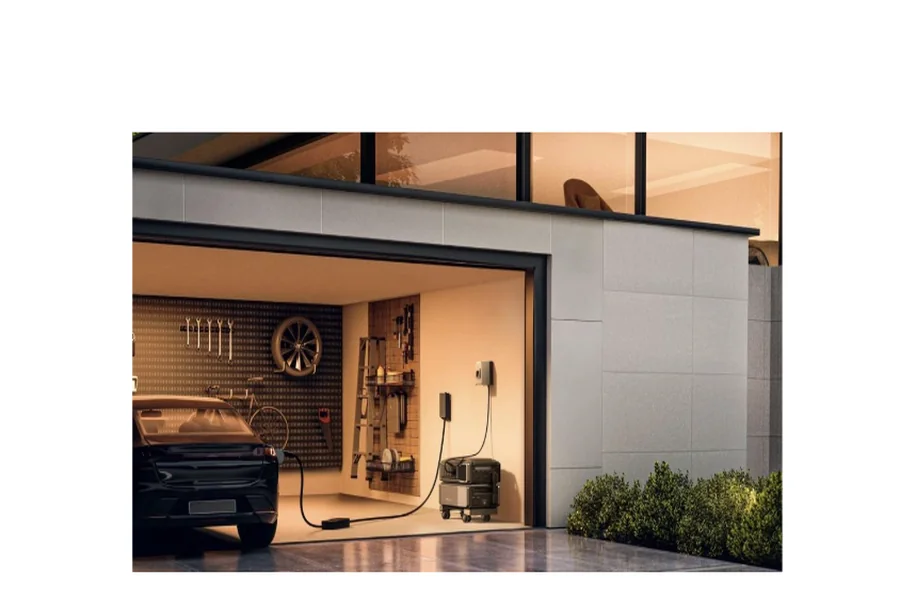
Portable power stations designed for occasional outdoor use prioritize lightweight design and convenience, while home backup systems emphasize durability and continuous operation. Portable units often use plastic housings that may not contain fires as effectively as the metal enclosures common on stationary models. Home backup systems typically include more robust cooling systems (like fans with dust filters) for prolonged high-power output. However, portable models benefit from being used in open, well-ventilated areas, whereas improperly installed home units in confined spaces might pose greater ventilation challenges.
Gas Generator vs. Battery Power Station Safety
While gas generators provide familiar technology, they introduce carbon monoxide risks, fire hazards from flammable fuel, and significant noise pollution. Battery power stations eliminate these concerns but introduce new considerations like proper battery chemistry selection and electrical safety. Gas generators require regular maintenance (oil changes, carburetor cleaning) that, if neglected, can create safety issues, while power stations need little maintenance beyond occasional charging and software updates. For indoor or semi-enclosed spaces like RVs or garages, battery power stations are clearly safer, but for extended outages exceeding the battery’s capacity, a properly vented generator might be necessary.
Conclusion
Modern power stations can be used safely when you select quality products and follow basic precautions. Prioritize models with recognized safety certifications and robust battery management systems, then match the battery chemistry and capacity to your intended use. Practice proper charging habits and storage conditions to maximize both safety and lifespan. For those seeking a reliable option, the EcoFlow power station stands out with its comprehensive safety features and proven track record. Remember that no electrical device is entirely risk-free, but by understanding these safety principles, you can confidently enjoy the convenience and independence that portable power provides.