
Best Rabbit Food: Choosing the Right Diet for Your Bunny
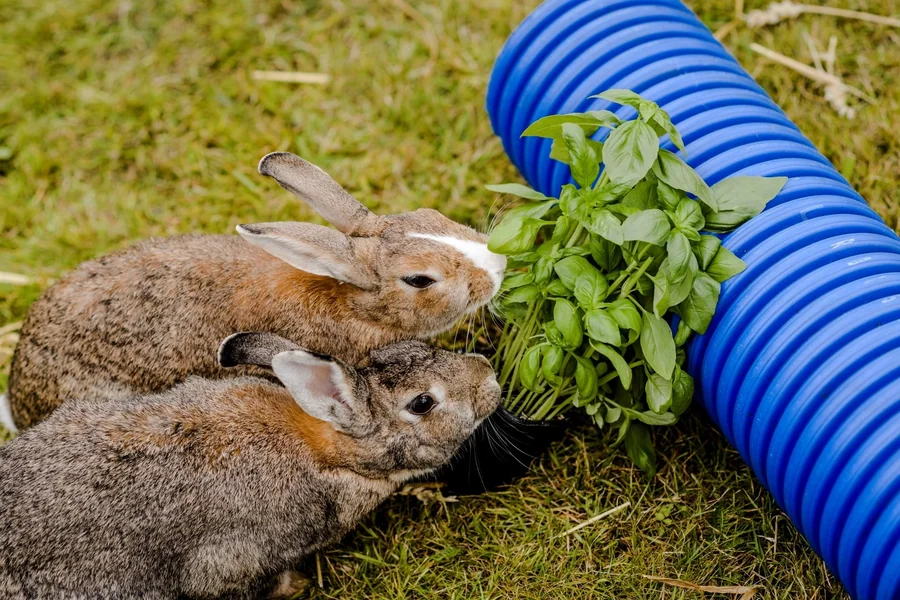
Whenever you adopt a rabbit in your house, one of the first questions that may occur to your mind is what to feed the rabbit. It is not merely about feeding your bunny but is about giving them the appropriate amount of nutrients that will help them in digesting, maintaining their teeth, and being happy. Good rabbit diet will not be purely about the food that a rabbit eats it will be more about what kind of food that your rabbit needs, what kind of food that should be avoided and how feeding time ought to be safe and fun. In this article we will discuss the process of selecting the best rabbit food, what to be included in the diet of your rabbit, and also point out the best products.
What Makes Rabbit Food “Best”?
In search of the best rabbit food, you should seek quality, balance, and appropriateness of the food to the current stage of life and well-being condition of the rabbit. Rabbits are herbivores with digestive systems set up to digest fibrous vegetarian food on an almost continuous basis. The appropriate food will assist in their requirement to chew, and in keeping the gut going and in assisting to wear off their ever-increasing teeth. An appropriate rabbit food regime comprises principally of hay (as a base), with fresh vegetables/greens and a predetermined portion of high-fiber pellets or nuggets. Certain commercial feeds sold as rabbit food are not so good, especially those that contain grains, seeds and colored pieces. They may result in biased feeding, improper balance, overweight, and dental complications.
Major Ingredients in a Healthy Rabbit Diet
The right diet of your rabbit must be used mainly the hay with a balance of fresh greens and vegetables and a measured portion of high fiber pellets. The diet of a rabbit depends on the hay which is the basis of its diet, and it must have a lot of fibers to achieve the right digestion. It also assists in wearing out their teeth and hence no overgrowth. The greens and vegetables give essential vitamins and minerals along with moisture which is a healthy part of the rabbit. Adult rabbits should mostly be fed high-fiber pellets, but they must be formed by hay, rather than alfalfa. Fruit and root vegetables should be taken in small amounts as they contain a great deal of sugar and starch.
Best Hay Pet Suitable to your Rabbit
The bulk diet of the rabbit should be composed of hay. It gives them the necessary fiber that assists in the smooth functioning of the digestive system as well as in the erosion of their teeth. In cases of adult rabbits, timothy hay, meadow hay, and oat hay are the favorite types of grass. They contain a lot of fiber and little calcium, which are the best contents of adult rabbits. Alfalfa hay in turn contains more protein and more calcium, and it can be given to young rabbits or underweight rabbits. It would be a good idea to give your rabbit several types of hay and not to make them bored of one kind of food.
Significance of Fresh Leafy Greens and Vegetables
Besides hay, fresh green leafy salads and vegetables also need to be significant to your rabbit. The greens, including cilantro, parsley, dandelion greens, and romaine lettuce, have a high content of vitamins and minerals. Your rabbit should be offered varieties of greens every day though at all times a variety of them should be introduced gradualistically so as not to affect the digestive system. Small portions of root vegetables such carrots may also be given as a snack. Nevertheless, your rabbit should not be fed with the iceberg lettuce because it is extremely low in nutritional content and may lead to digestive complications.
Fiber Pellets to Improve Uniformity
The pellets should not be the primary composition of your rabbit but can be used as a supplement of the regular nutrition. Make sure that the pellets that you use are high in fiber (at least 18 percent) and must also be hay-based and not grain or seed-based. S seek out pellets without any artificial colors and preservatives. You are supposed to feed your rabbit sufficient quantity of pellets depending on their size and age in which most of the nutritional value is made up of hay and fresh vegetables.
Treats: Offering Sparingly
Treats cannot be very frequent because of the possibility of obesity and digestive issues that may arise out of excessive consumption of the treats. Animal vegan snacks, such as fruit and root vegetables, should be avoided, as they contain a lot of sugar. You may give little bits of fruits like an apple, a banana or berries but should be on rare occasions but not daily meal. Several herbs that are safe to rabbits could also provide an occasional treat, though invariably one should avoid overeating them.
The Art of Selecting the Best Rabbit Food Products
Whenever buying food to feed rabbits, look at the label of ingredients and nutritional content. A grass hay source, whose fiber content is of priority should be the first ingredient. Eschew products in which the seeds, nuts, cereal or colored bits of muesli-mix predominate. Such blends can cause selective feeding and abandon the fibrous portions causing an imbalance. Select the food that matches the age and proportions of your rabbit, the young and nursing rabbit or the adult. The point of good quality, freshness, and dust free hay and pellet storage does exist. The respiratory or digestive problems may be caused by dusty or moldy hay.
Recommended Rabbit Food Products
Here are some good options (availability may vary by region, so be sure to check local suppliers):
- Oxbow Animal Health Garden Select Adult Rabbit Food: Premium pellets where timothy hay is the main ingredient, with high fiber and no seeds or grains.
- Small Pet Select 2nd Cutting Timothy Hay: A high-quality hay option, second cutting timothy, for good texture and fiber.
- Kaytee Timothy Hay Rabbit Food Pellets: A more budget-friendly pellet option, still timothy-based, but should be used in moderation.
- Supreme Selective Naturals Adult Rabbit Food: A premium pellet brand that is high in fiber and grain-free.
- Vitakraft Gourmet Daily Select Adult Rabbit: A mid-range pellet with decent fiber—good for general use.
- Burgess Excel Rabbit Pellets: A UK-available pellet option of reasonable quality (check your local market).
- Small Pet Select Flower Power Herbal Blends Hay: A treat-style hay blend with herbs, good for enrichment, though not the main hay supply.
- Science Selective Adult Rabbit Food: Science-formulated pellets with high fiber targeting adult rabbits, with less filler.
Feeding Guide According to Life Stage and Health
Unweaned kits, or young rabbits (kits) are usually in need of food that is higher in nutrients until they mature. Thereafter, bulk of adult rabbits succeed in grass hay bases and moderate pellets. You might need to change the diet of your rabbit. In case he is overweight, has tooth problems, or a gastrointestinal problem. It is important to reduce the number of pellets, change to a bigger portion of fresh hay, use limited high-starch treats, and ask a rabbit-sensitive veterinarian to give particular advice. It is imperative never to change to new foods in a short period of time lest this causes digestive discomfort.
The Top Ten Things Not to Do
It is a nice error to feed the mixes into the muesli style. That is high in seeds, nuts, and colorful bits. Such foods may also cause selective consumption. Although you will only consume sugar or the favorite bits of the mixture. Resulting in a nutritional imbalance. Allowing the hay food to run out as well as feeding your rabbit on dusty or poor-quality hay. It will damage your rabbit’s health as well. Another cause of errors is overfeeding on pellets or treats as they may lead to obesity and associated health problems. Fresh water and good hygiene habits in food dishes should not be neglected. Because rabbits should have clean water all the time. The dietary changes should always be made gradually. Because whilst introducing your rabbit to new greens or pellets at an early stage. You run the risk of upsetting the stomach of the rabbit.
Finding the most appropriate rabbit food does not mean searching for the trends of bright packaging. It is the practice of feeding your bunny a diet including fiber-rich hay mixed with fresh greens and quality pellets. And the number of treats must be minimal. Once you find that balance. You will be helping your rabbit to have healthy digestive system, and healthy dental health. Remember to give assigned priority to hay, labeling pellets. And always keep an eye on the behavior and droppings of your rabbit. So that you can be sure that the diet is effective. Through intelligent feeding, your rabbit may live several years in the future.