
Can Rabbits Drink Milk? Why It’s Dangerous to Give Them Milk

In taking care of rabbits, there are a plethora of rescuers and owners who are thoroughly well-intentioned, yet in their regimen of care for pets, they make all too common errors. One of the most common misunderstandings exists in several people giving milk to rabbits, either out of love or innocence. Can rabbits drink milk? This question has emerged because of the perception that milk is a wholesome and natural food source. But the reality is rather far from it. Unlike some animals, rabbits are not meant to process milk and can cause serious health problems. This article will explain why you should never give milk to rabbits and will include the full instructions on what kind of drinks rabbits should have to stay healthy.
Milk Is Bad for Rabbits
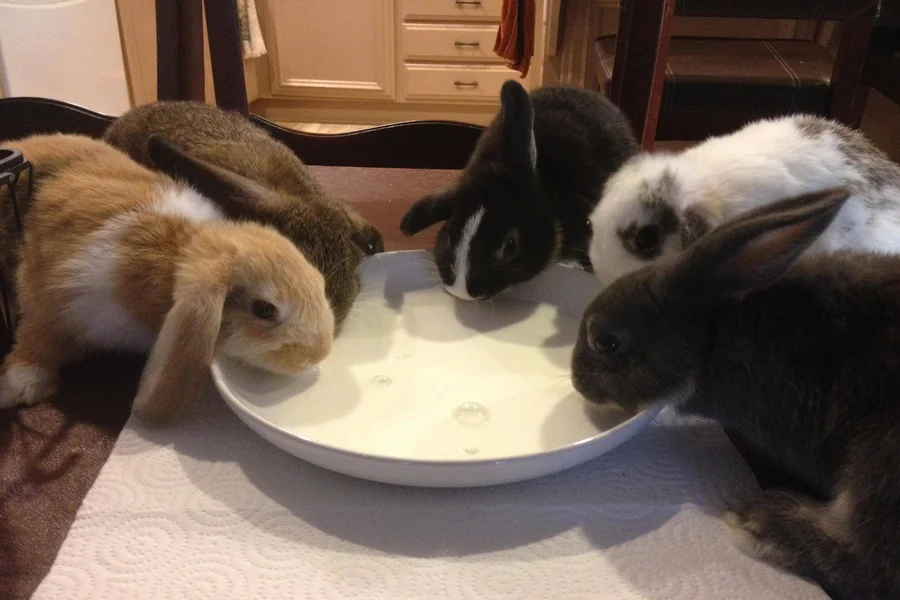
Milk is not appropriate as a drink for rabbits, and feeding it to them can have detrimental effects on their health. Rabbits are lactose intolerant, i.e., they are unable to digest the sugar in milk properly, which is known as lactose. In most mammals, the enzyme lactase is needed to digest lactose; rabbits possess no such enzyme as they age. As a result, when rabbits drink milk, it can cause digestive upset, diarrhea, and bloating.
Milk also contains much fat and protein, neither of which a rabbit’s digestive system is prepared to be exposed to. Their digestive system is made to digest fibrous vegetables, grass, and hay; they do not have the digestive system for animal-rich products such as milk. With time, dairy products will interfere with the delicate balance of gut bacteria of a rabbit and cause lifelong problems.
To sum it up, providing milk to rabbits should never be done since it may lead to terrible gastrointestinal conditions and interfere with their normal digestive process.
Oh No! My Rabbit Just Drank a Little Bit of Milk
In case your rabbit accidentally took in a bit of milk, do not panic. Although it is not a habit to make, a little bit of milk will not likely cause significant damage. Nonetheless, there is a keen need to observe your rabbit after consumption. Watch out for any symptoms such as gas, diarrhea, or changes in behavior. Such signs may be because your rabbit is unable to digest the milk.
If you notice that your rabbit is distressed, it is recommended that you see a vet specializing in rabbit care. Treatment usually entails replenishing the rabbit’s hydration levels, monitoring the diet, and ensuring the rabbit has adequate nutrition through feeding it natural foods.
Water is The Best for Rabbits
Water is undoubtedly the best option if we are talking about the hydration of your rabbit. Fresh and clean water should be available to rabbits at all times. Water is important in digestion, the good functioning of the kidneys, and general health. While milk contains sugars, fats, and proteins that may upset a rabbit’s digestive system, water has no sugars, fats, or proteins. By offering your rabbit clean water daily, you ensure that their digestive system is working properly and their hydration level is optimal.
Moreover, rabbits are sensitive to dehydration, and severe health problems can arise. Lethargy, loss of appetite and ultimately kidney failure, through excessive dehydration. Hence, always ensure you give your rabbit clean water, thus keeping it in the best health.
How Much Water Do Rabbits Need?
The quantity of water a rabbit needs may also depend on size, activity level, and what they eat. Healthy adult rabbits drink between 50 milliliters and 150 milliliters of water per kilogram of their body weight daily. For instance, a 2-kilogram rabbit (about 4.4 pounds) will require between 100 and 300 milliliters of water daily. This intake can differ depending on the climate, the food habits, and the rabbits’ physical activity.
Rabbits that consume more fresh vegetables or fruits will drink less than those without, as fresh vegetables or fruits contain a very high proportion of water. However, pure water should be accessible even if your rabbit has water-based vegetables like lettuce or cucumbers.
Water Bottle vs. Water Bowl
Common rabbit owners’ disputes include using a water bottle and a bowl. Both options have pros and cons, and the final decision will considerably depend on your fluffy friend’s behavior and whims.
Water bottles are usually a better option as far as water contamination with beddings or droppings is concerned. They also help control your rabbit’s water intake and prevent spilling. Yet, not all rabbits might be able to drink from a bottle if they are not used to it.
Water bowls, on the other hand, are natural to rabbits because they are used to drinking from open sources. Files with water also give the bunnies more freedom to drink, but they get upset easily as they can be easily tipped over or contaminated with bedding and hay.
After all, this is the most essential thing your rabbit should have: easy access to freshwater. Whether you use a bottle or a bowl, make sure that you change the water at least once a day and scrub the bowl thoroughly from time to time.
Excessive Thirst or Not Drinking at All
Perhaps your rabbit is over-drinking or not drinking at all, which may also indicate a health issue. Thirst can affect kidney disease, diabetes, or urinary tract infections. On the other hand, the lack of proper water drinking can cause dehydration, a common painful problem among rabbits. If your rabbit is not taking a drink, taking them for a vet check-up is recommended to rule out some underlying health conditions.
A reduced amount of water drunk can also result if your rabbit is either stressed or is undergoing some form of environmental change. Ensure that their surroundings are clean and comfortable and that they have no disturbances, which will lead to anxiety.
Also Read: Why Do Rabbits Dig Holes? Digging Behaviors in Pet Rabbits
Other Liquids Rabbits Can Drink
Although water is the main liquid a rabbit should drink, some other drinks can sometimes be served to a rabbit in very small quantities. However, it is necessary to remember that these should never substitute water.
Teas That Are Safe for Rabbits to Drink.
Some herbal teas are safe for rabbits to drink, if taken in low amounts. Chamomile and mint tea are fine examples of less strong non-caffeinated teas that may be a positive treatment for your rabbit. These teas can be soothing and calming to your rabbit’s digestive system. However, they should always be offered without added sugars or artificial sweeteners.
Yogurt Treats
Some owners of rabbits may give their pets some yogurt treats as a special snack. Although yogurt per se isn’t bad, it should only be given as a rare treat and not a regular part of your rabbit’s diet. Just as milk, yogurt also contains lactose that some rabbits do not tolerate well. Make sure you select an unsweetened yogurt and give it in meager portions.
Should Baby Rabbits Have Milk?
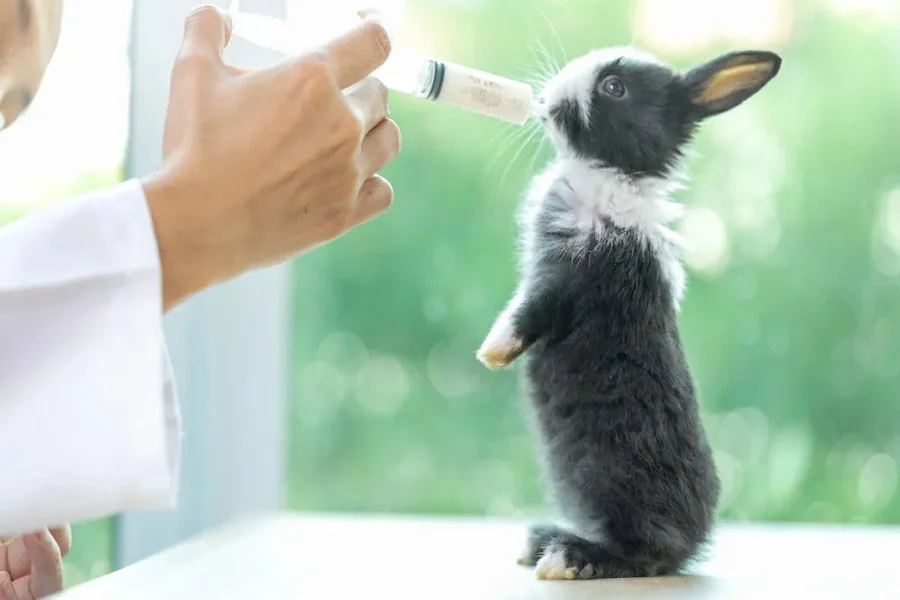
If you ask Can Rabbits Drink Milk? At the initial stage of their lives, newborn baby rabbits need milk to survive, but rabbit milk formula is the only product that may be used to feed the orphaned baby rabbits. Cow’s milk is never agreeable to baby rabbits and may cause serious digestive problems. Visiting a vet or a rabbit specialist when treating orphaned or abandoned baby rabbits is always necessary.
Milk Alternatives for Orphaned Baby Rabbits
A special milk formula should be used for orphaned baby rabbits. These formulas have been created to give the right balance of nutrition that young rabbits require. Never give a baby rabbit human or cow milk since it can permanently damage its very sensitive digestive system.