
Everyday Healthcare Tips for Athletes Recovering from Sports Injuries
Sports injuries are an athlete’s worst nightmare—not just because of the pain, but because of the uncertainty that follows. Will you bounce back stronger? How long will recovery take? Can you prevent this from happening again? The truth is, proper recovery isn’t just about waiting for pain to subside. It’s about actively engaging in strategic healthcare practices that accelerate healing, restore function, and protect your body for the long haul.
Athletes often underestimate how everyday habits—nutrition choices, sleep quality, movement patterns, and mental wellness—dramatically influence recovery speed and long-term performance. After an injury, challenges like muscle stiffness, persistent inflammation, mental stress, and reduced mobility can derail even the most dedicated competitors. But here’s the good news: recovery is a skill you can master.
Understanding Sports Injury Recovery Basics
Why Proper Recovery Matters
Your body is remarkably intelligent when it comes to healing, but only if you give it the right conditions. Understanding the tissue healing timeline helps you set realistic expectations and avoid rushing back too soon. Most soft tissue injuries progress through three phases: inflammation (1-5 days), proliferation (5 days to 3 weeks), and remodeling (3 weeks to 12 months). Respecting these phases is crucial.
Preventing recurring injuries should be your top priority. Studies show that athletes who return to sport too quickly face a 2-7 times higher risk of reinjury. This isn’t about being overly cautious—it’s about being strategic. Rest plays a vital role initially, but progressive loading—gradually reintroducing controlled stress to healing tissues—is what truly rebuilds strength and resilience.
Most Common Athlete Injuries
Different sports stress different body parts, but some injuries appear across the board:
Muscle strains occur when fibers overstretch or tear, commonly affecting hamstrings, quadriceps, and calves. These typically need 2-8 weeks of careful management depending on severity.
Ligament sprains involve stretched or torn connective tissue, with ankle and knee sprains being most prevalent. Grade 1 sprains might heal in 2 weeks, while Grade 3 tears could require months.
Tendonitis and joint injuries develop from repetitive stress or acute trauma. Conditions like runner’s knee, tennis elbow, and rotator cuff issues demand patience since tendons heal slower than muscles due to limited blood supply.
Prioritizing Professional Healthcare Support
Working With Sports Physicians & Physiotherapists
Never underestimate the value of professional assessment. Sports physicians can diagnose the exact nature and severity of your injury using clinical examinations and imaging when necessary. They create comprehensive rehabilitation plans tailored to your sport, injury type, and performance goals.
Physiotherapists are your recovery architects. They design progressive exercise protocols that restore range of motion, rebuild strength, and correct movement dysfunctions that may have contributed to your injury. Personalized recovery timelines account for your healing rate, training history, and competitive schedule—no two athletes recover identically.
When to Visit a Chiropractor
Many athletes benefit from chiropractic care during recovery, especially when injuries affect spinal alignment or joint mobility. A scoliosis chiropractor or sports chiropractor uses targeted adjustments to restore proper alignment, which can significantly reduce compensatory movement patterns that develop after injury.
Chiropractic treatment excels at reducing joint pressure and pain without medication. For athletes dealing with back pain, neck stiffness, or biomechanical imbalances that may have predisposed them to injury, regular chiropractic sessions support more balanced movement mechanics as you return to training.
Massage Therapists & Athletic Trainers
Manual therapy techniques performed by skilled massage therapists accelerate recovery by improving circulation, breaking down scar tissue, and releasing fascial restrictions. Soft-tissue release methods target specific problem areas that feel tight or restricted.
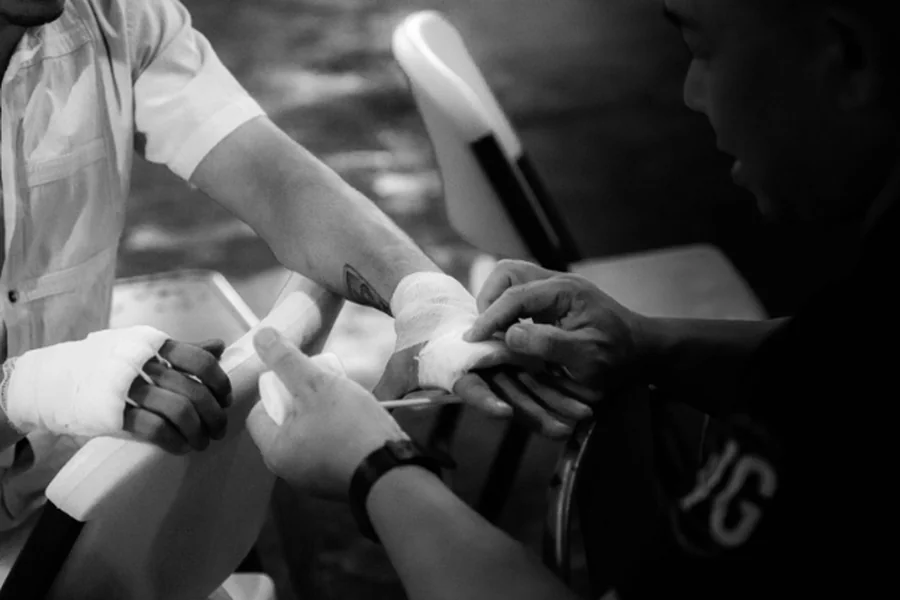
Athletic trainers provide invaluable pre- and post-workout care guidance. They teach proper taping techniques, monitor your exercise tolerance, and adjust rehabilitation protocols based on daily feedback. This real-time support helps you navigate the gray area between too much and too little activity.
Smart Bodycare Practices for Faster Healing
Recovery isn’t passive—it requires intentional bodycare rituals that support your healing tissues every single day.
Daily Recovery Routines
Gentle stretching sessions maintain mobility without stressing injured tissues. Focus on pain-free ranges of motion, holding stretches for 20-30 seconds rather than bouncing or forcing positions. Consistency matters more than intensity during early recovery.
Ice and heat therapy rotation serves different purposes. Apply ice (15-20 minutes) during the first 48-72 hours post-injury to control swelling and numb pain. Switch to heat therapy after acute inflammation subsides to improve blood flow and relax tight muscles. Some athletes benefit from contrast therapy—alternating between cold and warm.
Compression garments for swelling control help manage fluid accumulation, especially after lower-body injuries. Medical-grade compression socks or sleeves worn during the day can significantly reduce ankle and calf swelling while supporting venous return.
Skin & Soft-Tissue Maintenance
Sports balms and anti-inflammatory rubs containing menthol, arnica, or capsaicin provide topical relief while you address deeper healing needs. Apply these to sore muscles and joints as part of your evening routine.
Foam rolling and trigger-point care release muscle tension and improve tissue quality. Roll slowly over tender areas, pausing on tight spots for 30-60 seconds. This self-myofascial release technique enhances recovery between professional treatment sessions.
Workout Adjustments & Safe Return to Training
Maintaining Fitness While Resting Injury
Complete rest rarely serves athletes well. Instead, maintain cardiovascular fitness through low-impact activities that don’t stress your injury. Swimming and hydrotherapy allow full-body movement in a supported environment. Water’s buoyancy removes gravitational stress while providing gentle resistance.
Stationary bikes or ellipticals work well for lower-body injuries that permit non-weight-bearing cardio. Always get clearance from your physiotherapist before starting any exercise. Core strengthening exercises can often continue safely, building foundational stability for your eventual return.
Introducing Movement Gradually
Light mobility drills restore movement patterns without overloading healing tissues. Simple exercises like ankle circles, arm swings, or spinal rotations keep joints mobile and prevent compensatory stiffness.
Low-impact cardio gradually rebuilds your aerobic base. Start with 10-15 minute sessions at comfortable intensity, progressively increasing duration before increasing intensity.
Strength progression follows a logical sequence: bodyweight movements first, then resistance bands, light weights, and finally sport-specific loading. Progress only when you can complete current exercises with perfect form and zero pain.
Nutrition for Injury Recovery & Performance
Your body rebuilds itself from the nutrients you provide. Strategic eating accelerates healing dramatically.
Building a Healing Plate
Protein for muscle repair should increase during recovery—aim for 1.6-2.2 grams per kilogram of body weight daily. Lean meats, fish, eggs, Greek yogurt, beans, and lentils provide essential amino acids that serve as building blocks for new tissue.
Omega-3 fats found in fatty fish, walnuts, and flaxseeds powerfully reduce inflammation throughout your body. These healthy fats modulate your immune response and may decrease recovery time by days or weeks.
Vitamin C, zinc, and collagen support connective tissue repair. Citrus fruits, bell peppers, berries, nuts, seeds, and bone broth supply these recovery nutrients. Consider adding collagen-rich foods or a quality collagen supplement to your daily routine.
Hydration Strategy
Water intake directly affects joint lubrication and muscle function. Dehydrated tissues heal slower and feel stiffer. Aim for half your body weight in ounces daily, increasing during hot weather or if taking anti-inflammatory medications that may affect hydration status.
Electrolytes—sodium, potassium, magnesium—support cellular function and muscle contraction. For those learning more about comprehensive recovery and treatment for sports injuries, proper hydration paired with electrolyte balance often makes the difference between sluggish and robust healing.
Recovery Supplements (Optional)
Some athletes benefit from targeted supplementation:
- Collagen peptides (10-20g daily) may improve tendon and ligament healing
- Omega-3s (2-3g EPA/DHA daily) for anti-inflammatory effects
- Turmeric/curcumin (500-1000mg with black pepper) to manage inflammation
Medical Disclaimer: Consult your healthcare provider before starting any supplement regimen, especially if you take medications or have underlying health conditions.
Beauty Treatments & Self-Care for Athletes
Recovery isn’t just about function—it’s about feeling good in your body during a challenging time.
Skin & Muscle Rejuvenation Options
Cryotherapy facials and sports ice baths reduce systemic inflammation while promoting mental clarity. Whole-body cryotherapy sessions (2-3 minutes at -110°C) have gained popularity among elite athletes for recovery benefits.
Infrared saunas penetrate deeper than traditional saunas, potentially improving circulation and promoting relaxation without cardiovascular stress. Sessions of 20-30 minutes support detoxification and muscle relaxation.
Natural aromatherapy massage oils enhance the therapeutic benefits of self-massage. Lavender promotes relaxation, eucalyptus supports respiratory function, and peppermint provides cooling relief to sore muscles.
At-Home Care Rituals
Epsom salt baths deliver magnesium through your skin while providing a soothing ritual. Dissolve 2 cups of Epsom salt in warm water and soak for 20 minutes to ease muscle tension.
Red-light therapy devices show promise for accelerating tissue repair at the cellular level. These at-home units may reduce pain and inflammation when used consistently.
Hydrating skincare and body moisturizers maintain skin health, which often suffers during recovery due to reduced activity and potential dietary changes. Healthy skin supports overall body confidence during your comeback journey.
Mental Recovery & Motivation Maintenance
Managing Psychological Stress
Injuries challenge your mental game as much as your physical body. Meditation and breathing exercises—even just 5-10 minutes daily—reduce stress hormones and improve pain perception. Apps like Calm or Headspace offer athlete-specific content.
Journaling your progress provides perspective during frustrating plateaus. Document what you can do rather than fixating on limitations. This record becomes invaluable for recognizing gradual improvements that feel invisible day-to-day.
Talking to a sports counselor helps if you experience anxiety, depression, or identity struggles during extended recovery. There’s no shame in seeking professional mental health support—elite athletes do it regularly.
Staying Motivated
Setting micro-goals creates momentum when your ultimate return feels distant. Celebrate small wins like decreased swelling, improved range of motion, or completing a new exercise variation.
Visualizing full recovery leverages your mind’s powerful influence over physical healing. Spend time each day mentally rehearsing perfect movement, imagining yourself competing at full capacity.
Breaking the training plateau mentality means accepting that recovery follows a different timeline than performance improvement. Progress isn’t linear—expect good days and setbacks without catastrophizing.
Creating a Daily Healing Routine
Structure transforms good intentions into consistent action. Organize your day around recovery priorities:
Morning (7:00-9:00 AM)
- Gentle 10-minute stretching routine
- Hydration: 16-24 oz water with lemon
- Sunlight exposure for 15 minutes (supports circadian rhythm and vitamin D)
- Nutrient-dense breakfast with protein
Mid-Day (12:00-3:00 PM)
- Physiotherapy exercises or prescribed movement
- Mobility routine (10-15 minutes)
- Balanced lunch following healing nutrition principles
- Brief walk if approved (10-20 minutes)
Evening (6:00-9:00 PM)
- Light dinner with anti-inflammatory foods
- Warm Epsom salt bath or shower
- Cold therapy if swelling present (15 minutes)
- Sleep preparation: dim lights, screen reduction, relaxation techniques
Daily Checklist:
- ☐ Completed prescribed exercises
- ☐ Applied ice/heat as needed
- ☐ Adequate protein intake (track if necessary)
- ☐ Hydration goal met
- ☐ 7-9 hours quality sleep
- ☐ Stress management practice
Preventing Future Sports Injuries
Warm-Up & Cool-Down Rituals
Dynamic stretching before activity prepares your nervous system and increases muscle temperature. Leg swings, arm circles, walking lunges, and sport-specific movements prime your body for performance.
Muscle activation routines target commonly underactive areas like glutes and scapular stabilizers. Simple exercises like glute bridges and band pull-aparts wake up these muscles before demanding more from them.
Equipment & Technique Awareness
Proper footwear matters more than most athletes realize. Shoes should match your sport’s demands, fit correctly, and be replaced every 300-500 miles for runners. Worn footwear compromises biomechanics and increases injury risk.
Correct movement patterns protect vulnerable joints and connective tissues. Work with coaches or movement specialists to identify and correct technical flaws that contributed to your injury. Video analysis reveals compensations you can’t feel.
Long-Term Strength & Mobility Work
Glute, core, and posterior-chain strengthening creates the foundation for athletic power while protecting knees, hips, and lower back. Exercises like deadlifts, single-leg work, and planks should be training staples year-round.
Flexibility and balance practice maintain joint health and neuromuscular coordination. Yoga, Pilates, or dedicated mobility sessions 2-3 times weekly pay enormous dividends in injury prevention and movement quality.
Conclusion
Athletic recovery demands the same dedication and strategic thinking you bring to training. The difference? Recovery rewards patience, consistency, and holistic attention to your body’s needs rather than pushing through discomfort. By combining professional healthcare guidance, intelligent bodycare habits, proper nutrition, gradual movement progression, and mental wellness practices, you create optimal conditions for healing.
Remember that seeking expertise from sports medicine professionals, whether physiotherapists, massage therapists, or specialists who understand athletic demands, accelerates your journey back to competition. Your daily choices—from what you eat to how you manage stress—compound into powerful recovery momentum.