
Top 7 Causes of Cracked Heels and How to Address Them
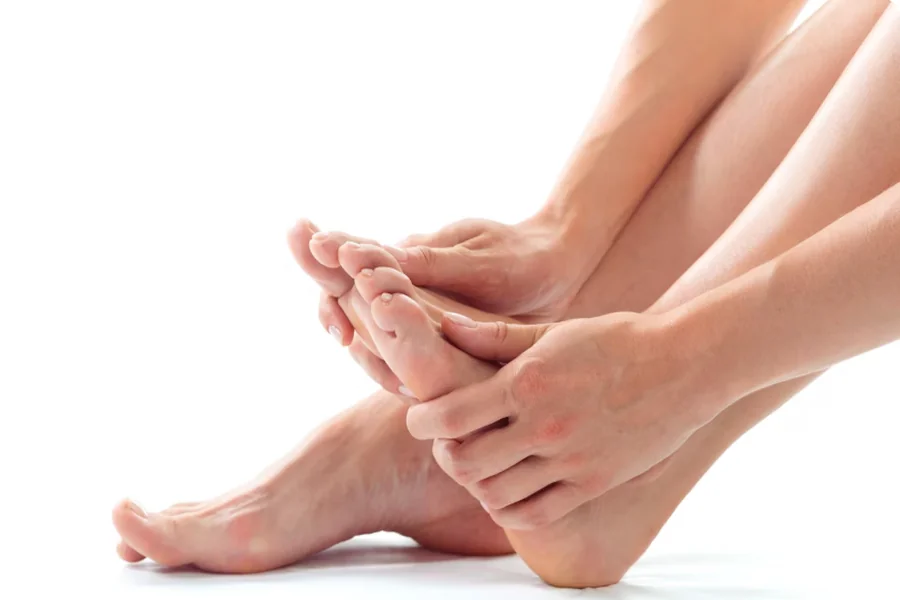
Cracks on heels appear due to a myriad of reasons, like habitual mistakes, using ineffective products, and medical conditions, among others. If you have noticed any symptoms – be it dry skin, thickening around your heels, cracked heels, or painful heels – it’s necessary to pay attention to what causes them.
In this brief blog post, you will shed light on some major causes behind cracked heels. So, check them out to prevent your heels from cracking or treat them if they occur.
Lack of Moisture
One of the primary culprits behind cracked heels is a significant deficiency in moisture. Compared to other areas of the body, the skin around the heels has fewer glands. That’s what makes them more susceptible to dryness. Consequently, this area can easily become rough, chapped, and unyielding, leading to unsightly cracks.
Nutritional Deficiencies
A diet with minimal or no vitamins and minerals, particularly iron and zinc, can adversely influence the health and appearance of your heels. These nutrients work well in maintaining skin integrity and elasticity. Their absence can also exacerbate issues related to cracked skin, making it difficult to treat.
Aging Skin
As we grow, our skin naturally loses its elasticity and moisture content. The thick, dry, and scaly skin that frequently accompanies aging can predispose the heels to cracks. If you experience cracks on your heels thanks to aging, maintain a proper foot care routine. Consider using the best heel balm or moisturiser to make your heels look youthful.
Underlying Health Disorders
In addition to not caring for your heels well, certain medical conditions, like athlete’s foot, psoriasis, eczema, thyroid diseases, and diabetes, can negatively affect them. Wondering how? These disorders can disrupt the skin’s ability to function normally. If not treated properly, the likelihood of developing fractures in the heel area increases.
Inadequate Footwear
If you wear open-back sandals or shoes, it can increase the lateral expansion of the fat pad under the heel, making cracks more likely. To prevent them, you need to care for your feet properly, especially when opting for open footwear during the summer months.
Such styles offer insufficient support, resulting in major issues like calluses. Further, walking barefoot or in ill-fitting shoes can exacerbate the problem.
Exposure to Water
Most women, particularly in households, are regularly exposed to water. They stand for long periods in damp environments like bathrooms, which can wash away the skin’s natural oils.
If you also engage in water-related household chores on a regular basis, this will leave your feet’ skin rough, dry, and increasingly prone to cracks.
Genetic Factors
Genetics can also play a significant role in your susceptibility to dry and thick skin, as well as calluses around the heel area. In case you have a family history of these conditions, you may be more prone to experiencing cracked heels. All you need to do is take care of your feet and heels well, so you will have refreshed and healthy heels for the long term.