
Why Is My Rabbit Shaking? Understanding the Causes and What to Do
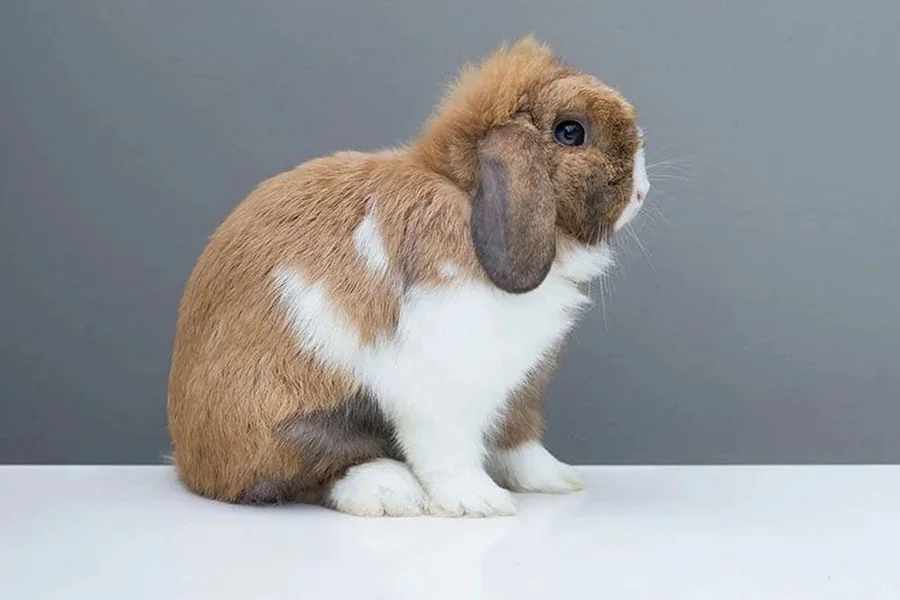
When you have observed your rabbit shaking it is natural to be worried. Rabbits do not shake as often as other creatures, and in such cases, one should pay attention to the context and seek other indicators to define whether the shaking is the reason to be concerned or not. Here we shall examine the most common factors that could lead to the shaking in rabbits, their possible consequences on the health of the bunnies and what you should do to keep your bunny happy and healthy.
The meaning of Shaking in Rabbits
Rabbits can shake due to various reasons. And it is possible to speak about excitement or fear at the same time with health-threatening problems. Rabbits are prey animals. And their actions tend to be based on their instincts of responding to threats, or sickness. Knowing the various reasons behind the shaking would enable you to know. Whether it is a simple reaction or an indication of something more severe that needs something to be precautionary action.
Shaking in Rabbits- Common Causes
Stress or Fear
Rabbits shake mostly due to the fact that they are either stressed or frightening. Shaking may be an instinctive response to fear particularly where they perceive to be threatened. An example would be when your rabbit is scared by loud sounds, sudden movement or a new pet in the house, it may be that the rabbit begins shaking as a means to deal with their fear.
Rabbits are inherently shy animals, and the nature of their prey causes them to be very sensitive to the surrounding world. In this situation shaming is not long-lasting and your bunny will calm down once the stress is eliminated, or they feel safe once more. You should provide your bunny with a quiet and safe place to ensure that you minimize the period of stress and also prevent cases of shaking because of fear.
Cold Temperature
Rabbits are also temperature sensitive and shaking may indicate that the bunnies are getting chilled. Rabbits are sensitive to cold and can easily get chilled especially when kept in cooler conditions or along drafts unlike some other animals that have heavier fur cover or natural mechanisms of keeping warm.
When you detect that your rabbit is shaking, look at the temperature in the room. When it is cold, you should make your bunny a warm and comfortable place to make them feel relaxed. Blanket, warmed pad (also made with pets in mind) or enclosed areas such as a rabbit house can help your rabbit to be warm and keep it away from shivering due to cold.
Illness or Pain
Vibration is also an indication of sickness or finding rabbits uncomfortable. Could you see if your bunny is trembling and displays other signs of discomfort like lack of zeal, no appetite or any other physical difficulty, it could be a sign that your bunny is stinging or that it has a health problem. Shaking, in the scenario, might be caused by some pain inside, in the digestive system or any other illnesses that need attention in the veterinary.
Some common conditions that can cause shaking in rabbits include:
- GI Stasis: A potentially life-threatening condition where a rabbit’s digestive system slows down or stops. This often leads to discomfort, shaking, and lack of appetite.
- Ear Infections: Pain or discomfort from an ear infection may cause shaking or head tilting.
- Injuries or Trauma: If your rabbit has been injured, even if the injury isn’t immediately visible, it may result in shaking as a response to pain.
Whereas the shaking done by your rabbit should not last longer than a few minutes, when it is accompanied by other symptoms of concern, a visit to a veterinarian to have a proper diagnosis and treatment is worth considering.
Seizures
Sometimes a seizure can be an indication of shaking or trembling. There are many underlying factors that can make rabbits have seizures. And these factors may include neurological problems, toxic substances or injuries to the head. Rabbit seizures could vary in severity of trembling to a full body convulsion. And they may be fatal where no treatment is perceived.
Should you notice your rabbit having a seizure, or possibly having a seizure, taking him to the veterinarian and as soon as possible it is of utmost importance. Rabbit’s seizures constitute a medical emergency, and timely treatment can be used to reduce the possibility of additional complications.
Excessive Stimulation or Excitement
The rabbits will also shake when over excited or stimulated as in the period of playtime or when interacting with their favorite person or playthings. When you find that your rabbit is trembling though it appears to be happy, alert, it may be because it is adrenaline rushing or excited.
This type of trembling is not usually harmful, and it will end as soon as your bunny calms down. When your bunny is shaky when given a treat, or when playing, it is a normal reaction to the fun or the expectation of the same.
How to Help a Shaking Rabbit
How you treat your rabbit who is shaking would depend on the reason. The following are some of the things you can do in different circumstances:
Creating a Calm Environment
When your rabbit shakes, either it is out of stress or fear then the first step is to take away the thing affecting its fear. In case your bunny is scared of a loud sound, then you can simply move them to a place where there is less noise. When they shake with the new people or animals, allow them to adapt to the new changes. An environment like this where there is a calming and safe atmosphere will enable your rabbit to relax and quit shivering.
You can also give them hiding places or burrows where they can live, and this will enable your rabbit to feel safer whenever he/she is anxious or scared. Be careful when getting to your rabbit, and movement to cause increased stress must be avoided.
Keeping Your Rabbit Warm
When your rabbit is shivering because of cold you should offer warmth to them. Ensure that their living area is well insulated and is not in a drafty area. You can also use a heating pad that is pet-safe (when put on low) in order to keep them warm. Your rabbit can be also comfortable with a warm bed or a soft blanket. Also, a safe, cozy place to sleep should always exist to your rabbit and particularly in colder seasons.
Health Care to a Sick Pet or a Pet in Suffering
In case the symptom of the shaking of your rabbit has been triggered by an illness or pain. It is when you may want to seek the advice of a veterinarian within the shortest time possible. Issues such as GI stasis, ear infection and dental issues need treatment. And a vet will be capable of administering the medication needed to see your bunny back to good health.
In case of other alarming symptoms, e.g. lethargy, anorexia or behavioral changes. Do not wait till the shaking may pass its course. The action of seeking professional assistance will make sure that your rabbit will get the therapy.
Monitoring for Seizures
You need to remain calm and provide a safe environment to your rabbit. In case you observe him having a seizure. In order to keep away things which they could hurt themselves with. And in order not to hold them down during the seizure. As soon as the seizure is over, bring your rabbit to the veterinary clinic. So that you can have the rabbit examined. The seizures may reflect another underlying problem. That may be of greater severity; therefore, it should be promptly taken to the veterinary.