
Why Did the Entertainment Industry Boom After WWI?
The post-World War I era was a time of tremendous growth for the entertainment industry. The Roaring Twenties was an era of great social and economic change that paved the way for the entertainment revolution. Soldiers were coming home, and economies were transitioning from war production—people had new discretionary spending to do. Film, radio, and jazz music were sold as the new popular culture, and a new era of entertainment had begun.
Hollywood’s Ascent and the Golden Age of the Movie Palace
The US film industry also was growing in leaps and bounds after WWI. And the small, infantile town of Hollywood became the center of the world’s film production. Synchronised sound and better film stock turned cinema from silent to ‘talkies’, and thousands of people all over the world flocked to see a film for the first time.
Radio
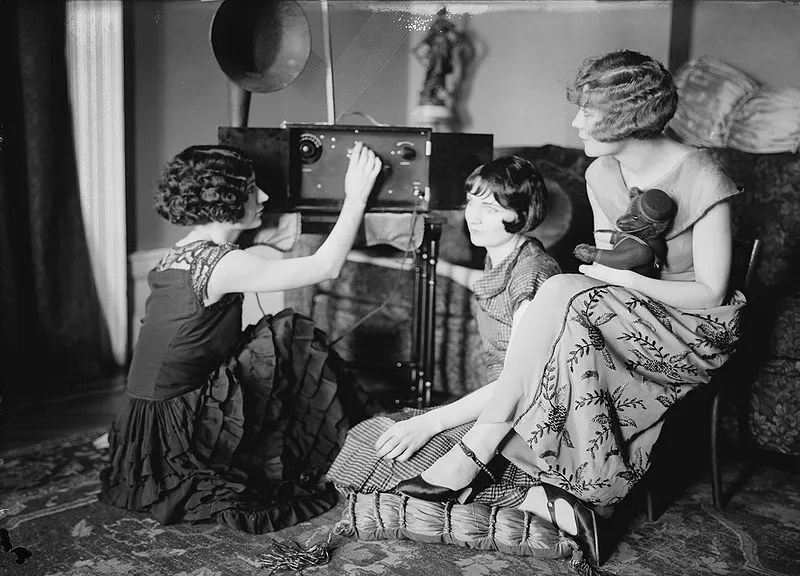
Radio, a novelty before the war, became part of everyday life after 1918. By the mid-1920s, American and European homes were listening to news, sports, music and serialized dramas, making it the first form of mass media. The radio didn’t just edify and entertain; it helped to bind a nation by giving cohesion to shared experience in everything from marketing to politics. National networks, including NBC and CBS, tightened their grasp on the airwaves and radio became a lucrative industry, captivating audiences throughout the world.
Jazz Age
Jazz, which began on the streets of New Orleans and matured in speakeasies and dance halls, was a postwar phenomenon. Led by icons such as Louis Armstrong, Duke Ellington and Bessie Smith, jazz was emblematic of the cultural spirit of the 1920s. Its improvisational approach reflected the iconoclastic spirit of the time, attracting a wide range of individuals who gathered to participate in a communal musical encounter. It spawned its own fashions, its dances, its even social politics, having previously been danced mainly by red-shirts.
Technological Innovations Fueling the Boom
Advancements in electricity, sound recording, and film projection technologies revolutionized the entertainment industry after WWI. The proliferation of phonographs and gramophones allowed people to enjoy music at home like never before. Meanwhile, improved lighting and camera equipment enhanced movie production quality, captivating audiences with immersive visuals. The embrace of technology was not limited to the screen or the stage; it also transformed live performances, With better sound systems and lighting rigs making concerts and theatrical shows more dynamic and appealing. For more insights on entertainment technology and event trends, visit infomagazine.
Economic Prosperity and Consumer Culture
The postwar economic boom in many Western countries created a new middle class with disposable income and a desire for leisure activities. The rapid growth of cities and urban populations meant that theaters, music halls, and nightclubs were always full. Advertising agencies capitalized on the desire for entertainment, promoting films, records, and shows through radio and print. The expansion of consumer credit made it easier for people to buy radios, record players, and even cinema tickets, further feeding the entertainment frenzy.
Women and the Changing Social Landscape
The 1920s marked a turning point for women in society, with the flapper becoming the symbol of newfound freedom. Women entered the workforce in greater numbers, earned their own income, and began to enjoy entertainment independently. The growth of the entertainment industry was closely linked to this social shift, with female movie stars like Clara Bow and Greta Garbo embodying the modern, liberated woman.
International Influence and Cultural Exchange
The entertainment industry’s postwar boom wasn’t confined to the United States. European filmmakers, particularly in Germany and France, produced groundbreaking works that influenced global cinema. German Expressionist films and French avant-garde cinema pushed the boundaries of storytelling. Jazz music, too, found eager audiences across Europe, particularly in cities like Paris and Berlin, where the cultural climate embraced innovation. For more on global cultural trends and insights, check out mphiphop.
Celebrity Culture
As films and music reached new heights of popularity, the concept of the celebrity emerged as a marketing force. Stars like Charlie Chaplin, Mary Pickford, and Al Jolson became household names, their faces gracing magazine covers and billboards. The public’s fascination with the lives of entertainers fueled a booming gossip industry, laying the foundation for today’s celebrity-obsessed culture. The allure of stardom also transformed the entertainment industry’s economics, with top stars commanding massive salaries and generating box-office success.
Conclusion
Together, these factors created a fertile environment for cinema, radio, jazz, and the star system to flourish. The legacy of this dynamic period continues to shape how we consume entertainment today.
Read Also: What Is Entertainment View on Spectrum?